An open letter to everyone who cares about chalk streams:
Dear friends,
I’m writing to you to ask a favour. A few days ago I received an email out of the blue from a lady called Sophia Holloway. I don’t know Sophie but she tells me that she was so angered by the government’s decision (reported and commented on in The Times over Christmas – links below) to drop the Defra chalk recovery strategy work that she has started a petition.
This is so heartening and is so very kind of her.
But the petition will go nowhere without support from everyone who cares. If there’s not enough support, I fear the government may double down on their timid and unpopular decision not to publish the now oven-ready chalk stream recovery pack and even their other chalk stream work.
We need people to hear about Sophia’s petition. So, please will you:
sign the petition
give the petition a plug, even repeated plugs, in your social media platforms and share in any other way you can.
Let’s see if we can do justice to Sophia’s anger and good faith?
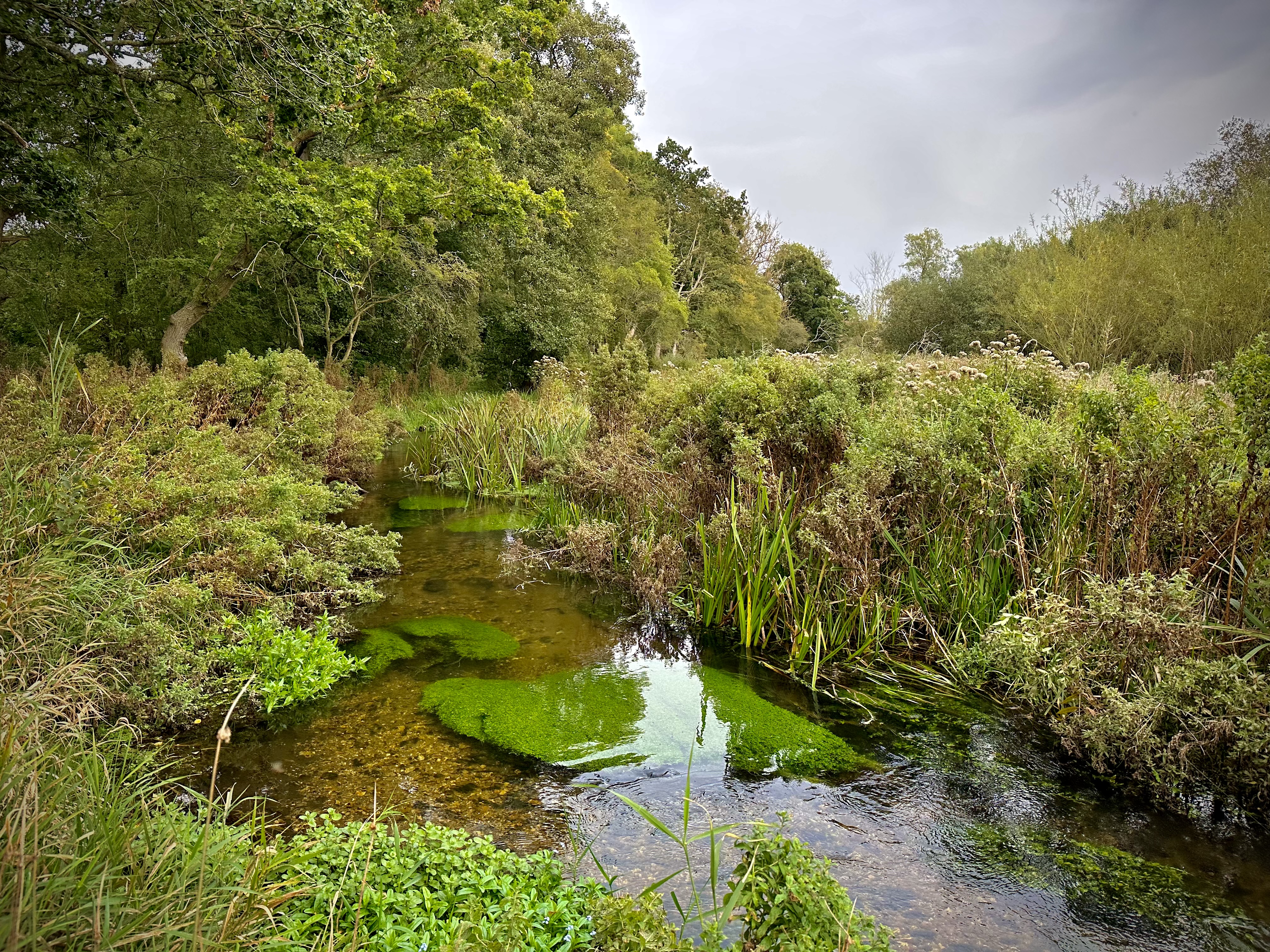
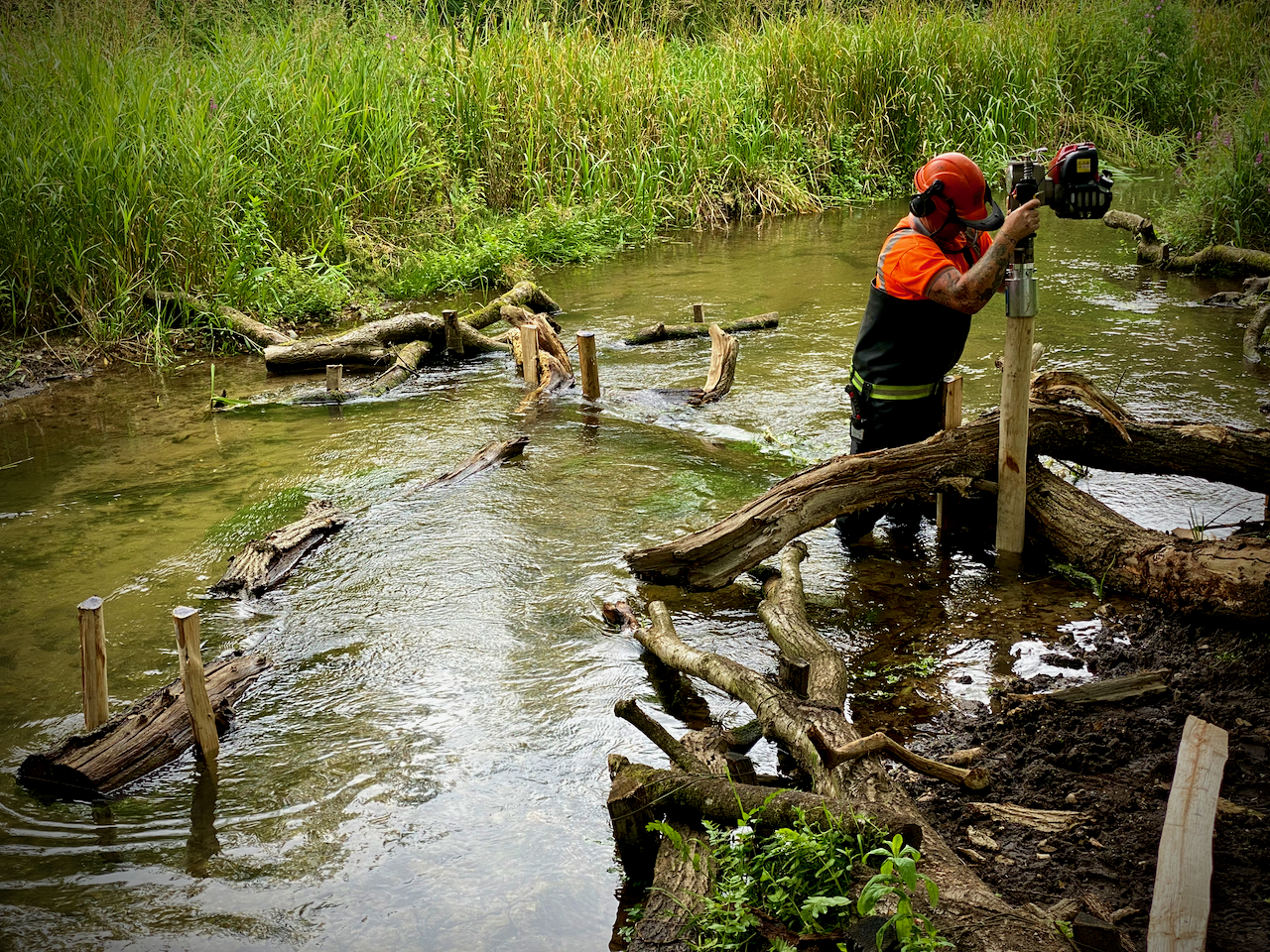
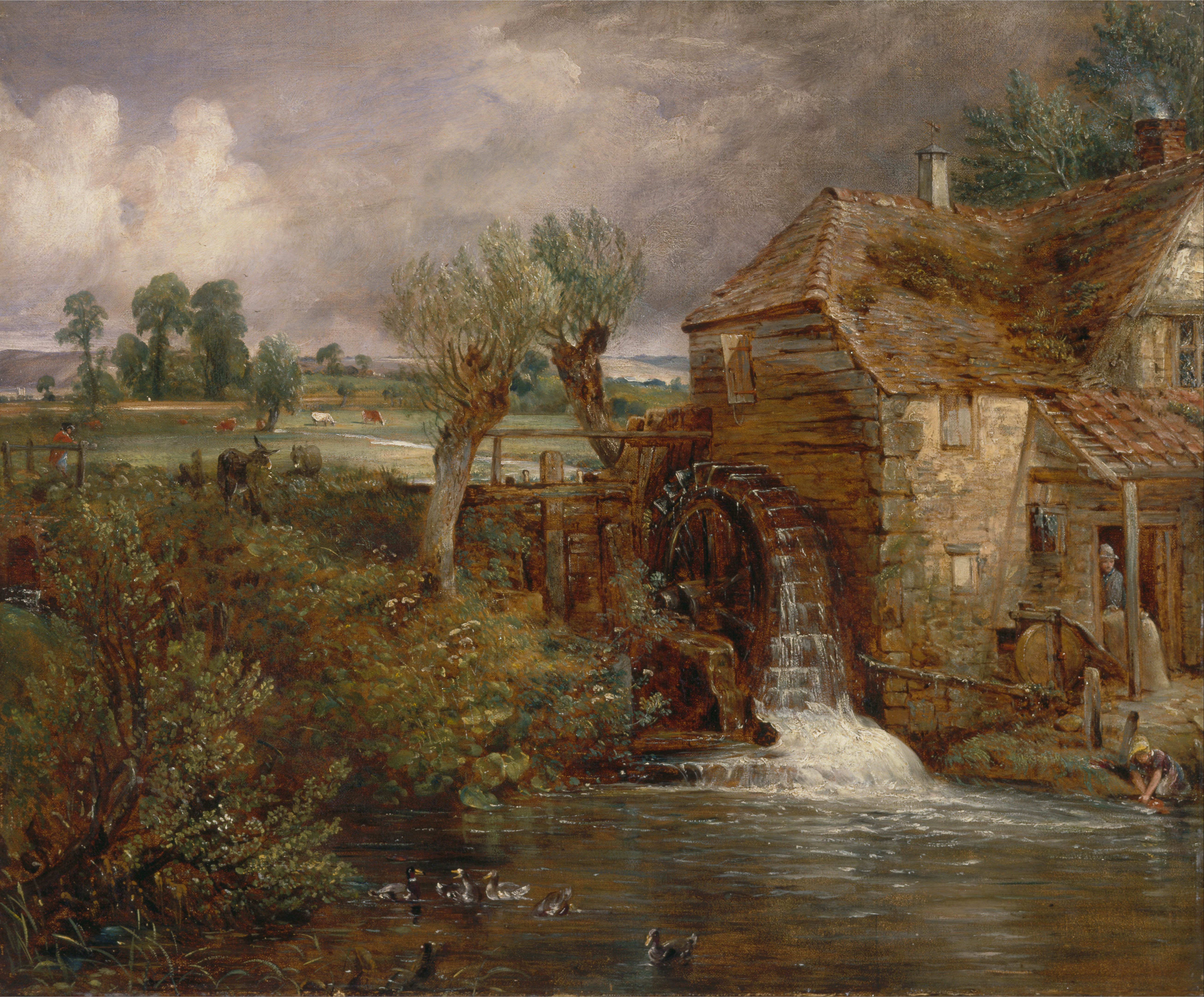
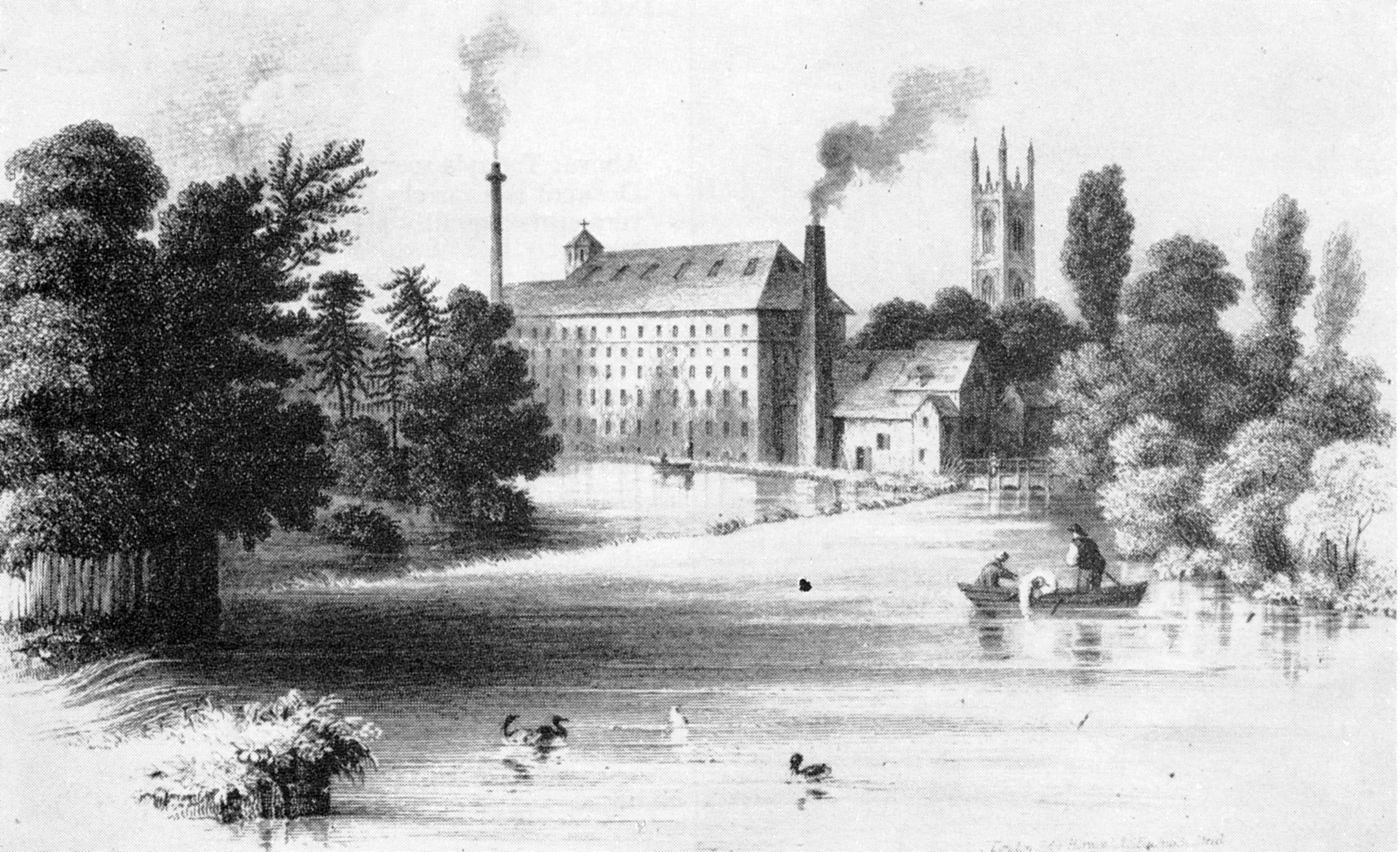
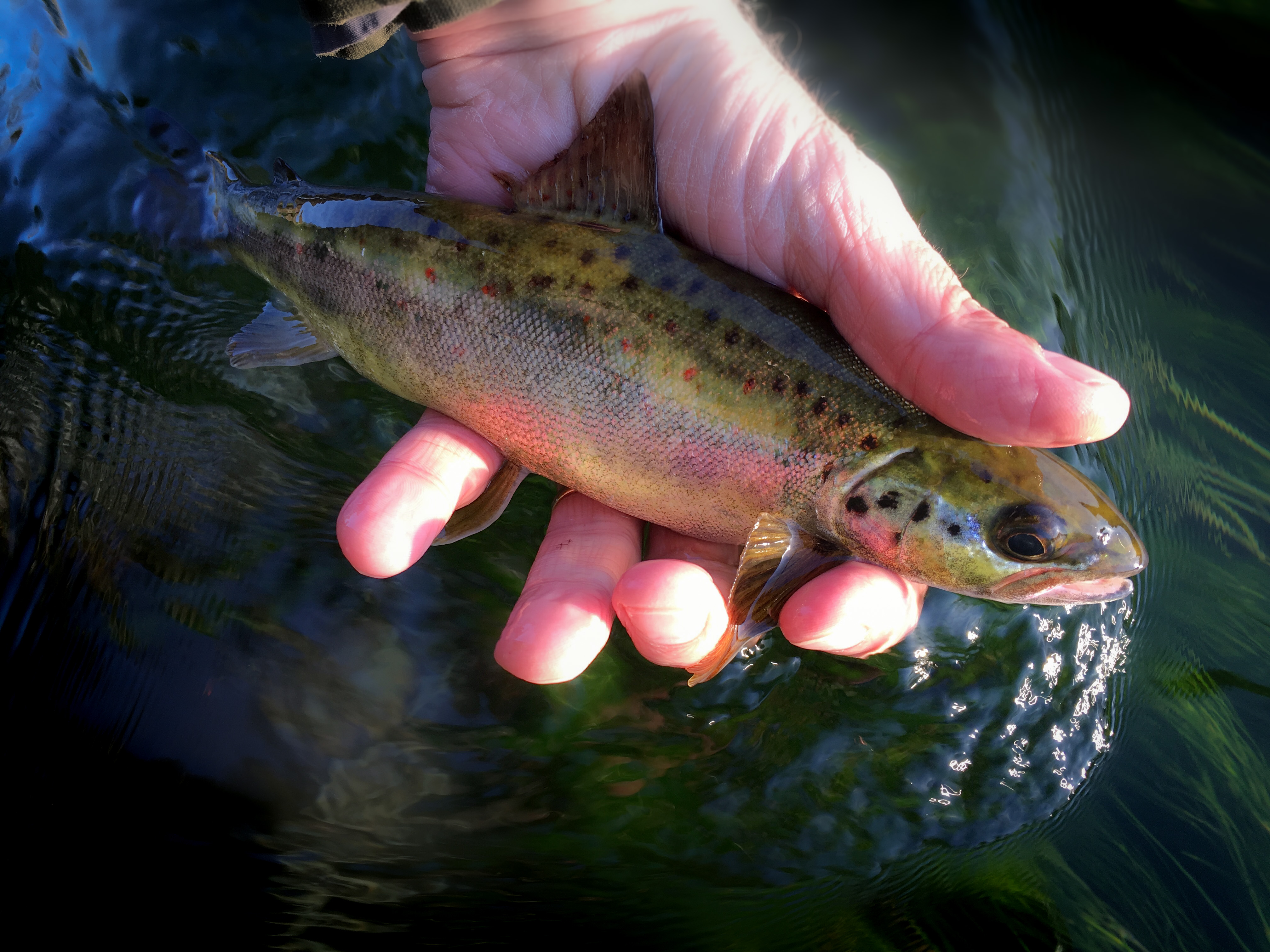
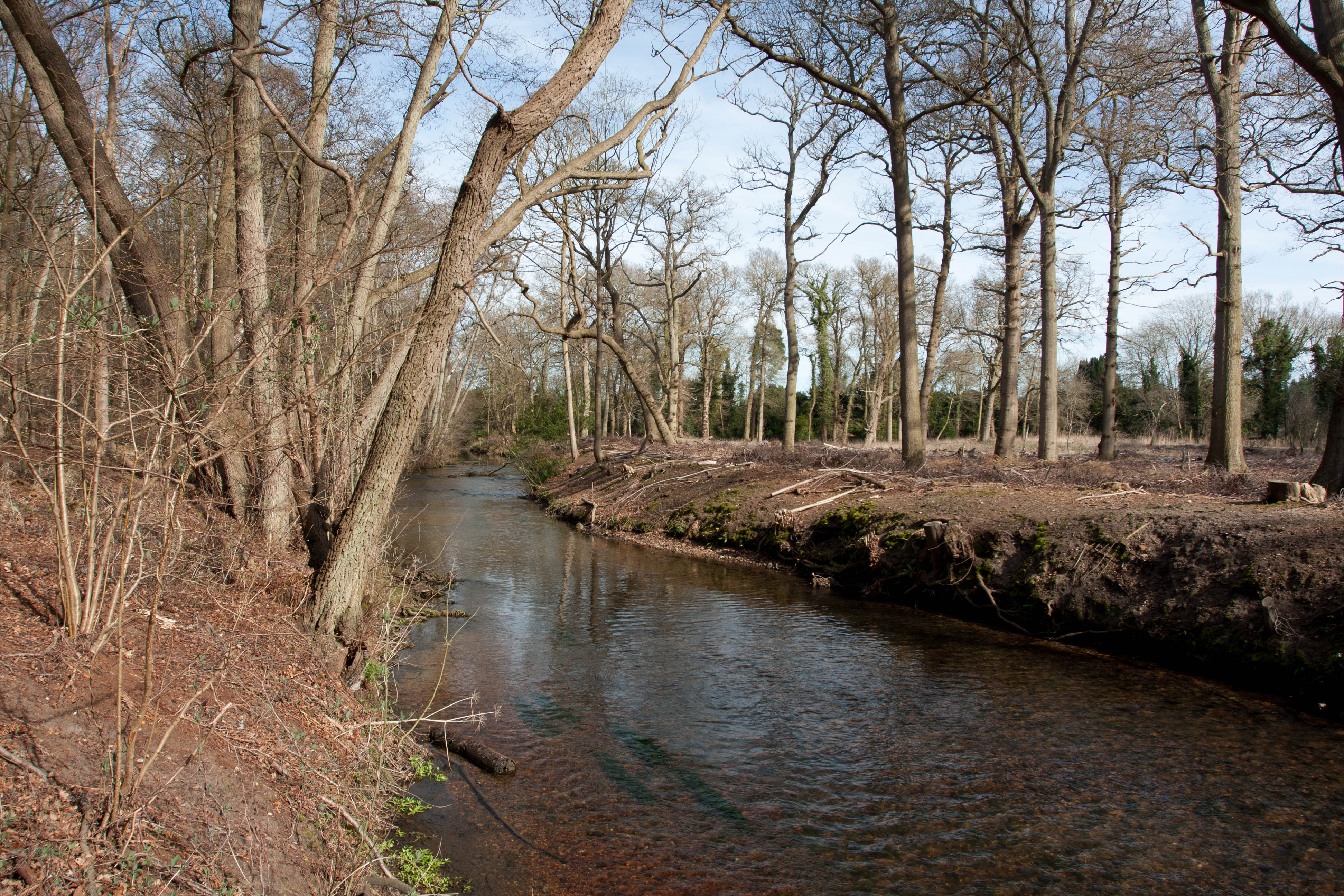
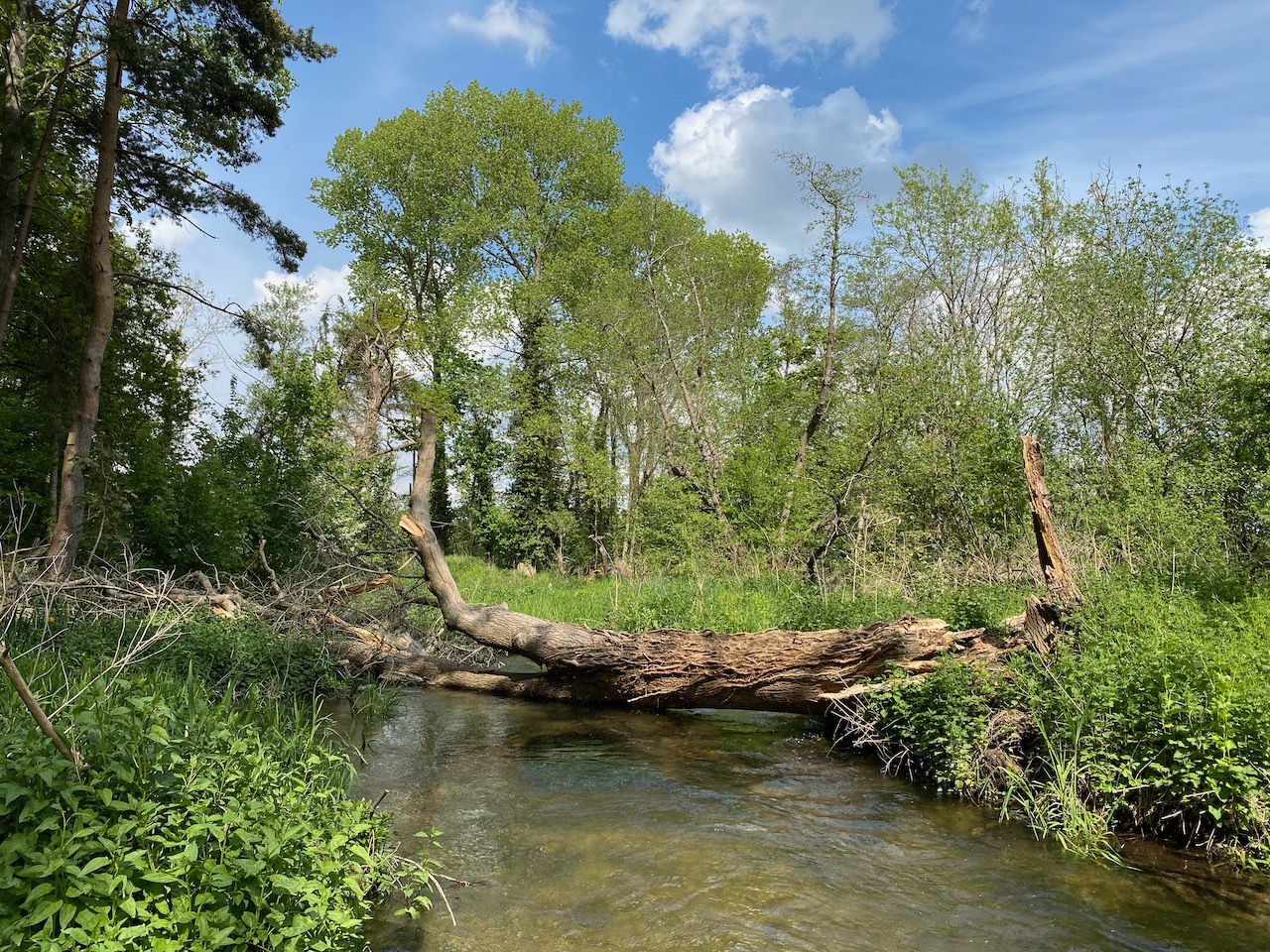
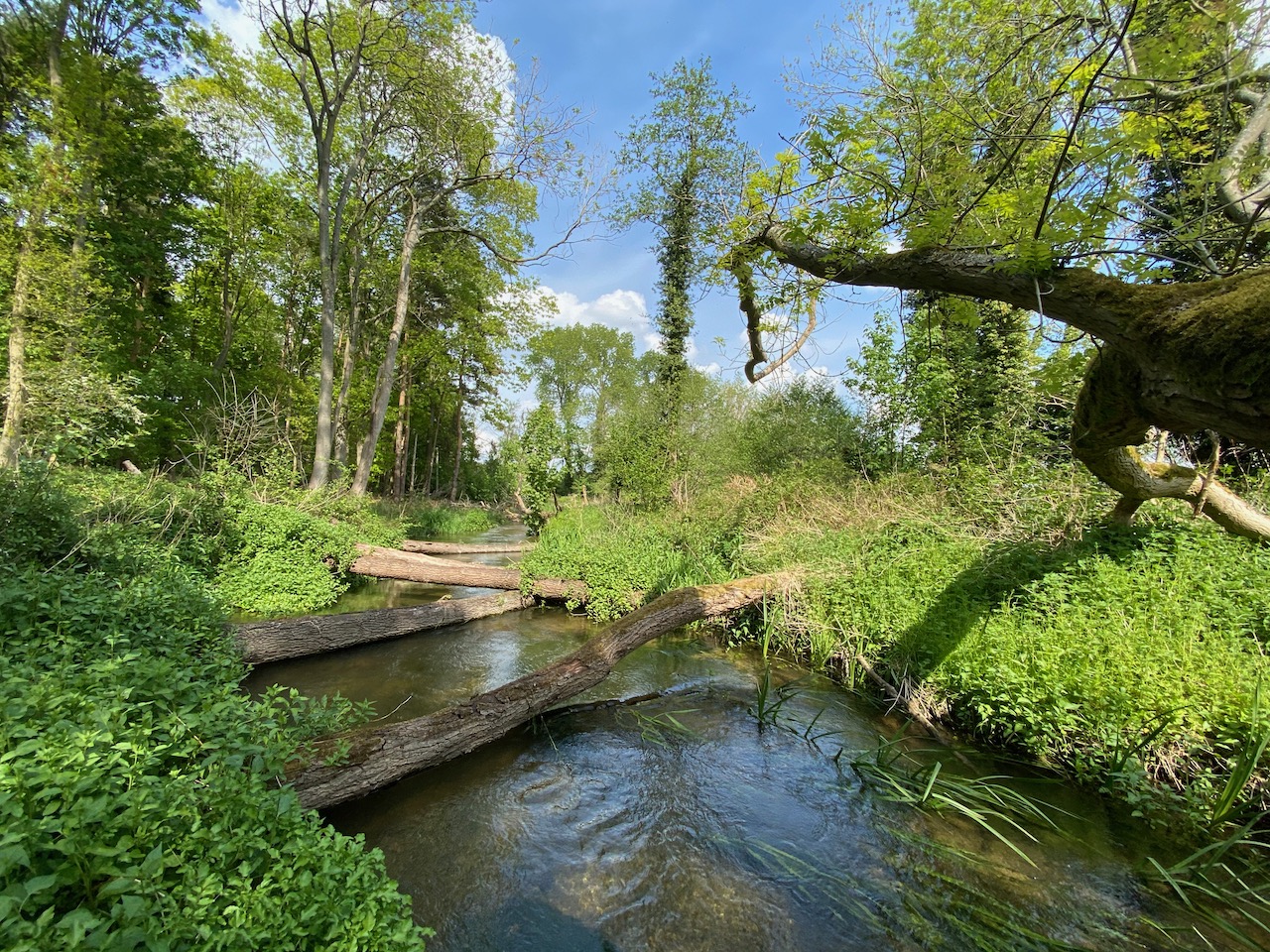
There’s an album of chalk stream images at the foot of this page: of beautiful chalk streams to show why we should look after them and of knackered streams to show what we need to protect them from. Anyone is welcome to grab and use them for social media posts (an attribution to chalk streams.org would be appreciated and may even spread the word)
•••
A bit of background in case it is needed …
A few years ago I was invited to chair and oversee the creation of a national strategy for protecting and restoring chalk streams. Countless passionate people and all the key players, the regulators, industry and eNGOs worked together to create a collaborative national restoration plan that will – if the actions are followed on – make a considerable difference to chalk stream protection and health.
It is a simple strategy for addressing – in practical and pragmatic ways – abstraction, water pollution and habitat restoration. Under the last government we even got to the point where the then Minister Rebecca Pow promised a Defra policy document in support called the Defra Chalk Stream Recovery Pack. I know what was in that document because I negotiated with Defra over its contents and wrote it for and with them.
But foot-dragging over certain key issues delayed publication and then, when the election came along, the plan was put on hold. Now the new government has shelved it, or in fact – apparently – abandoned it. See The Times pieces below:
This is no way to deliver environmental improvement. No matter one’s politics it is obvious that we will only resolve the issues that impact our rivers if the government of the day rises above party politics and builds continuity into our approach to protecting and restoring the environment.
I really hope you can support Sophia’s initiative. Thank you so much.
I have been neglecting my blog of late: things have been so busy working on behalf of the Rivers Trust with Defra on their long awaited (and not long now, I hope) chalk stream recovery pack. Back in the world of fixing the wild and the wet – the bit I really enjoy – chalkstreamfly has now finished and launched its film of our recent Water Environment Grant (WEG) restoration project on the River Nar. You can see the film HERE on their YouTube channel. Already there are loads of kind comments on there, which is incredibly heartening.
The film was sponsored by the Wild Trout Trust and the Norfolk Rivers Drainage Board, in the hope that it might inspire other projects along similar lines on other chalk streams. Personally, I feel we are just getting started with this type of restoration, one that looks at the whole width of the floodplain and tries to create a mosaic of habitats, not just the flowing channel of the stream, but the side channels and wet woodland and fen. The basis of the WEG grant.
One of things I really enjoyed about this project was seeing how we could repurpose the old, diverted channel, the mill leats effectively, which had been dredged and were quite homogenous. Of 2km of old channel, bypassed by the rediscovered and reinvented meanders, we only filled in the top 50m. The rest is flowing with groundwater and really seems to be enjoying life in it’s new identity as a spring-fed fen. The transformative power of process-based restoration at scale is astonishing in my view and I hope we can all start pushing the boundaries and learning from each other.
I would like to emphasise that this project was all about collaboration. The landowners were amazing. Holkham, West Acre and Narford, all thoroughly embraced what amounted to radical change. The Norfolk Rivers Drainage Board – brainlessly traduced by some campaigners in Norfolk – were fantastic project managers.
The public were great too. A path runs alongside the river here and every single person who passed was supportive, in spite of the fact that the site did look a bit raw during the delivery.
The new channel, by the way, is rammed with wild trout and the flooded woodland is bullhead soup with a side helping of very, very fat trout parr. All very nice to see.
It’s a great thing that our salmon stocks are now registered as endangered by the IUCN. Well done @wildfish. But there’s a ton of muddled information out there about the causes and as a result unrealistic or aimless ideas about what we should do.
Britain will not be the first place to lose salmon. They’re much more likely to go from Spain and France first. They’ve already disappeared from much of the USA and long ago they disappeared from North Africa. This is because THE overarching factor in their population abundance is the temperature of the planet in general and the North Atlantic in particular and the increasing length of the perilous journey from their natal streams to their feeding grounds – which are moving north as the sea warms.
Their endangered status is not the unique fault of the water industry, the government and farming. This idea is spread by the usual suspects on Twitter who are using the designation to serve their own agendas, either because they just want a stick to hit with or because catastrophism makes them relevant. The trouble with blaming in the wrong degree or place is you don’t get to the right answers.
Finally, saving our British and especially English salmon is not just a question of acting now, it’s a question of acting wisely. To do that we need to understand the causes of the decline, what we can and can’t influence and what we should do in the light of that knowledge.
By far the biggest cause of Atlantic salmon’s decline in Britain is the warming north Atlantic, which has natural cycles of temperature over which is now a general warming trend caused by climate change. This impacts south-west stocks (chalk streams, Devon and Cornwall and Wales as well as France and Spain) more extremely than north-east and Scottish stocks, because the south-west salmon have a longer journey to their feeding grounds off Greenland than the north-east salmon which feed in the ocean off Norway, Iceland and Russia. But the warming trend of the Atlantic impacts them all and generally it drives the salmon north.
The North Atlantic multi-decadal oscillation plus global warming: the biggest overarching impact on North Atlantic salmon abundance is ocean temperature. Credit to: Nour-Eddine Omrani / Ellen Viste
The next most significant impact are barriers to migration: as the late Steve Marsh-Smith said, if you have wild trout but no salmon, you have a barrier. We put many of our physical barriers up in the middle ages (over 5000 mills by 1066) and through the industrial revolution. We haven’t taken many of them down. There are tens of thousands of miles of nursery habitat in English and Welsh rivers which are not currently accessible to salmon.
Mills: we built over 5000 and shut salmon out of hundreds of English rivers before William invaded in 1066.
Barriers can also exist in the form of water quality. Through the industrial revolution we barred salmon from dozens of rivers with industrial pollution and sewage. The massive nutrient enrichment of the River Wye today, in conjunction with a warming river, is almost certainly creating a new barrier. Generally there are probably fewer water quality barriers now than there were fifty or a hundred years ago, while the physical barriers remain.
Then we built more mills through the Industrial Revolution: this was the very first silk mill built on the River Derwent, into which salmon are only just now returning, centuries later. But could they ascend the Derbyshire Wye? No.
We also create barriers by abstracting water. There are far more of those nowadays.
We create barriers with aquaculture, creating estuaries which are hostile zones full of sea-lice and toxins.
We create temperature barriers too, by dredging and widening rivers, by removing or limiting riparian vegetation and by increasing the residence time of water with mills and weirs and through abstraction.
There will be other impacts at sea and in the close coastal zone: overfishing and the northwards migration of important prey species will be having an impact. No doubt salmon are also caught as a by-catch of pelagic trawling. The bounce-back we saw during Covid lockdowns has to make one wonder if the by-catch is not actually quite significant.
Then there is the business of how we manage our rivers and streams, the salmon’s vital natal and nursery habitat, which obviously creates or eases localised impacts. This is where we can make a difference.
I find it weirdly ironic that some of the biggest self-serving finger waggers on the chalk streams run their fisheries like manicured zoos, blitzing the rough wildness with lawn-mowers and filling the rivers with robo-fish.
Certainly we could do a lot more to create rivers which salmon can thrive in: because what is obvious when you think about the scale of the impacts listed above, is that some of the biggest issues facing salmon are not going away any time soon: in the light of that knowledge the very best thing we can do is send as many fat salmon smolts to sea from the nursery streams of the British Isles as is technically possible.
I say “fat” because the survival rate of fat, strong juvenile smolts is way, way higher and far more come back as salmon. What makes salmon smolts fatter? Habitat quality. Look at the sizes of Pacific salmon smolts after the Stage-0 floodplain re-sets they have been practicing in Oregon: it’s unbeleivable how much better these young fish do in a naturally functioning and dynamic flood-plain than in canalised streams.
This fat fish is a salmon parr from Dorset’s River Stour: once renowned for its enormous salmon: the best way we can help to protect Wessex salmon like this one is to undo the damage done to these rivers by post-war dredging.
The newly endangered status of salmon is being used as a way to berate the government, the water industry and farming. By all means exhort all three to do a better job, but after a while endless blame becomes a form of avoiding responsibility: it’s like pointing at the litter instread of picking it up. It feels like you’re part of the solution, when actually you’re part of the problem.
Light a candle! Don’t curse the darkness.
So, looking to what we can do if we “act now” … we can restore our rivers and the landscapes which support them through all the measures advocated – for example – in the chalk stream strategy: by restoring the wild, wet, dynamic roughness of healthy habitat. Restoring meanders, floodplain connectivity, wet woodland, gradient. As well as – of course – lessening abstraction and pollution.
This is the sort of chalk stream habitat young salmon could thrive in, if only the adult fish could reach it. Five years ago, it looked like the stark riverscape pictured top left.
The unique chalk stream salmon, perhaps our most ancient (as in how long it has been here) native animal is right in the crosshairs of all those adverse impacts of climate change and mills and overfishing. The species deserves actual action on our part, as opposed to self-serving nowt-but-protest ersatz action.
Re-meandering the River Stiffkey in North Norfolk: this project and others like it create freshwater habitat fit for salmon: if they can reach it. The river here had been locked inside a ditch for hundreds of years: which was definitely not the fault of the current government.
We shouldn’t just hold the line in habitat restoration either, focussing on the streams where salmon still exist: we should be restoring salmon to the chalk streams from which we barred them over 1000 years ago. En masse all these spring-fed streams could – if properly restored and managed – become a vital arc for the endangered English salmon.









 Chalk-Streams