
It’s a great thing that our salmon stocks are now registered as endangered by the IUCN. Well done @wildfish. But there’s a ton of muddled information out there about the causes and as a result unrealistic or aimless ideas about what we should do.
Britain will not be the first place to lose salmon. They’re much more likely to go from Spain and France first. They’ve already disappeared from much of the USA and long ago they disappeared from North Africa. This is because THE overarching factor in their population abundance is the temperature of the planet in general and the North Atlantic in particular and the increasing length of the perilous journey from their natal streams to their feeding grounds – which are moving north as the sea warms.
Their endangered status is not the unique fault of the water industry, the government and farming. This idea is spread by the usual suspects on Twitter who are using the designation to serve their own agendas, either because they just want a stick to hit with or because catastrophism makes them relevant. The trouble with blaming in the wrong degree or place is you don’t get to the right answers.
Finally, saving our British and especially English salmon is not just a question of acting now, it’s a question of acting wisely. To do that we need to understand the causes of the decline, what we can and can’t influence and what we should do in the light of that knowledge.
By far the biggest cause of Atlantic salmon’s decline in Britain is the warming north Atlantic, which has natural cycles of temperature over which is now a general warming trend caused by climate change. This impacts south-west stocks (chalk streams, Devon and Cornwall and Wales as well as France and Spain) more extremely than north-east and Scottish stocks, because the south-west salmon have a longer journey to their feeding grounds off Greenland than the north-east salmon which feed in the ocean off Norway, Iceland and Russia. But the warming trend of the Atlantic impacts them all and generally it drives the salmon north.

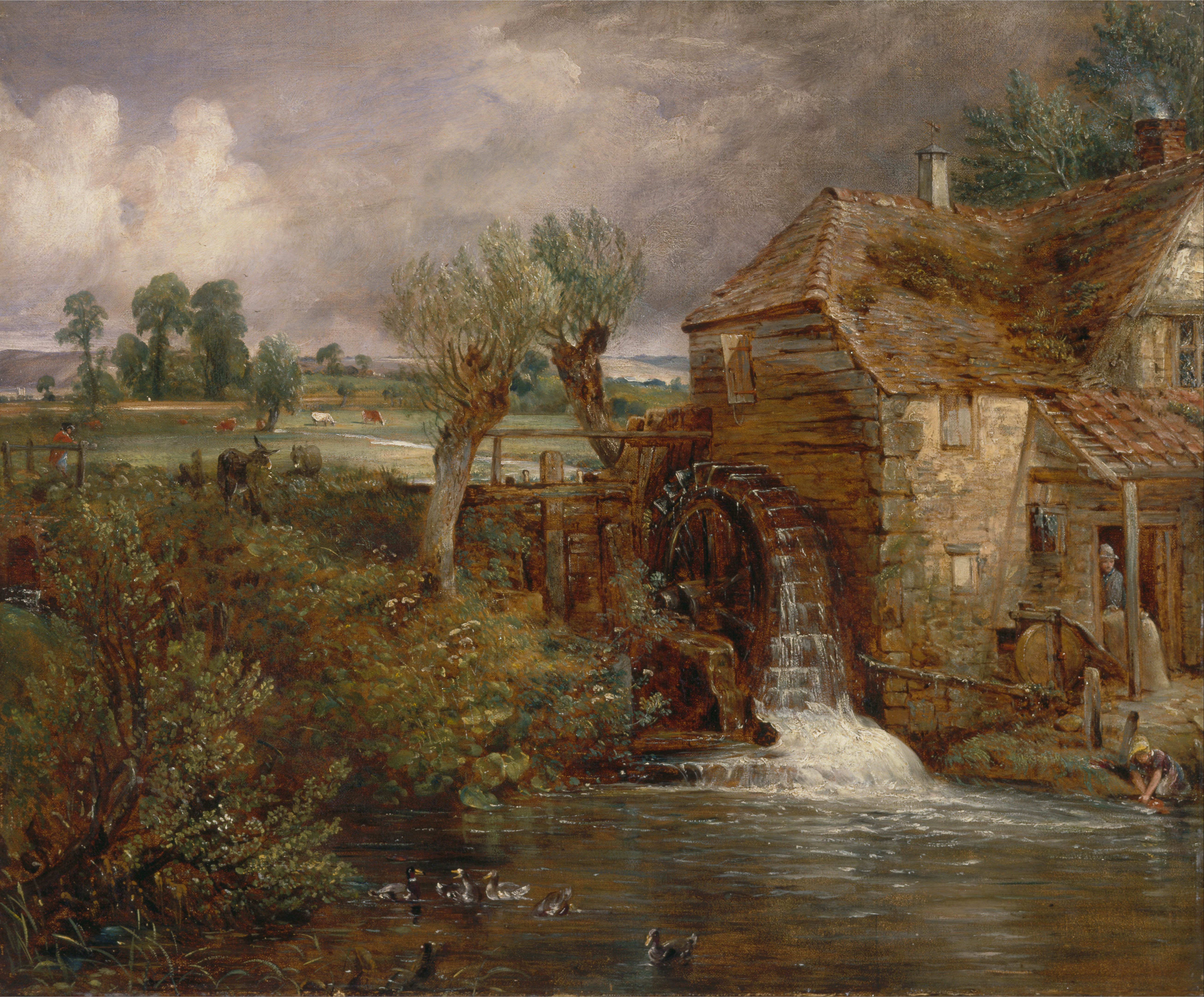
The next most significant impact are barriers to migration: as the late Steve Marsh-Smith said, if you have wild trout but no salmon, you have a barrier. We put many of our physical barriers up in the middle ages (over 5000 mills by 1066) and through the industrial revolution. We haven’t taken many of them down. There are tens of thousands of miles of nursery habitat in English and Welsh rivers which are not currently accessible to salmon.
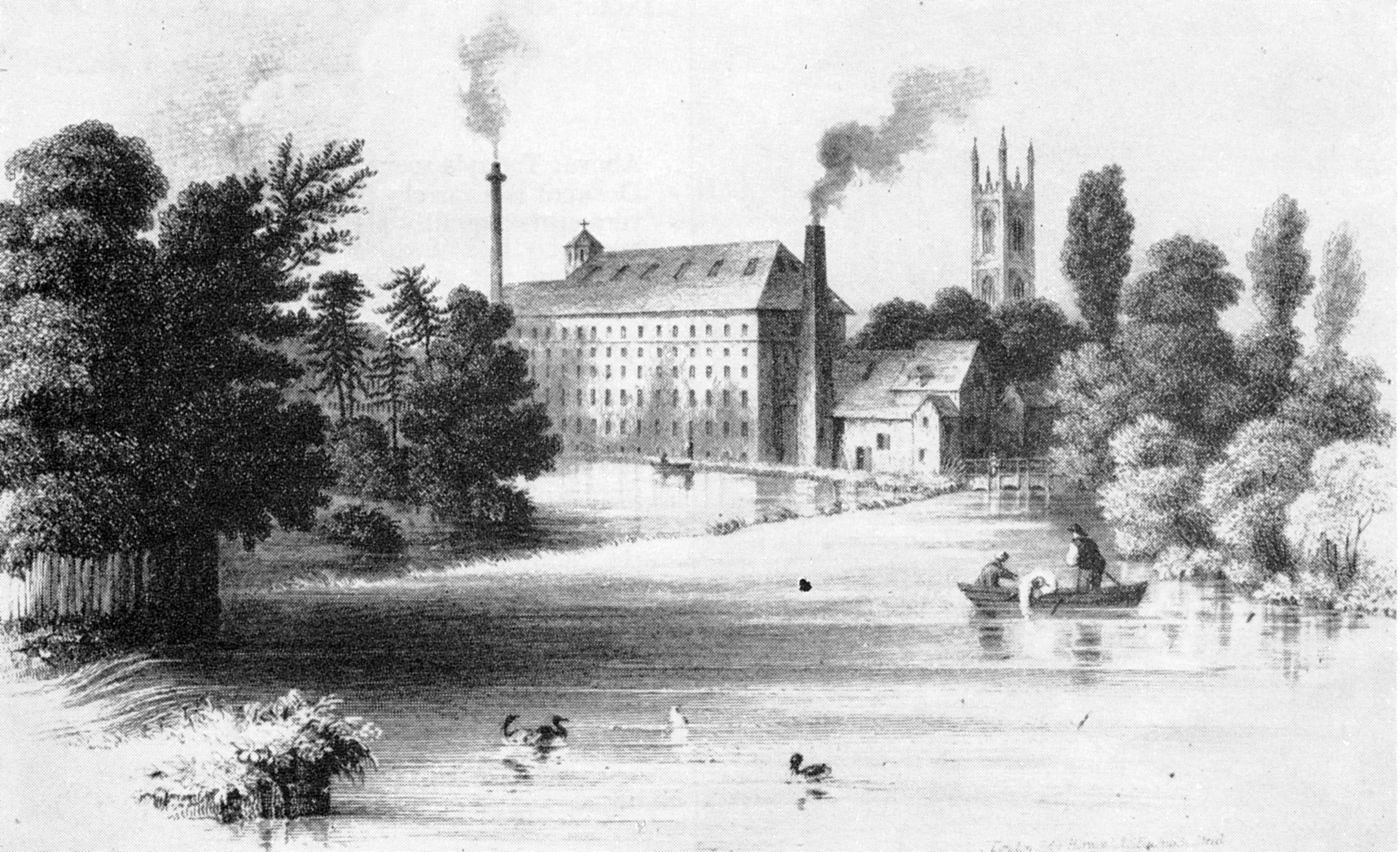
Barriers can also exist in the form of water quality. Through the industrial revolution we barred salmon from dozens of rivers with industrial pollution and sewage. The massive nutrient enrichment of the River Wye today, in conjunction with a warming river, is almost certainly creating a new barrier. Generally there are probably fewer water quality barriers now than there were fifty or a hundred years ago, while the physical barriers remain.
We also create barriers by abstracting water. There are far more of those nowadays.
We create barriers with aquaculture, creating estuaries which are hostile zones full of sea-lice and toxins.
We create temperature barriers too, by dredging and widening rivers, by removing or limiting riparian vegetation and by increasing the residence time of water with mills and weirs and through abstraction.
There will be other impacts at sea and in the close coastal zone: overfishing and the northwards migration of important prey species will be having an impact. No doubt salmon are also caught as a by-catch of pelagic trawling. The bounce-back we saw during Covid lockdowns has to make one wonder if the by-catch is not actually quite significant.
Then there is the business of how we manage our rivers and streams, the salmon’s vital natal and nursery habitat, which obviously creates or eases localised impacts. This is where we can make a difference.
I find it weirdly ironic that some of the biggest self-serving finger waggers on the chalk streams run their fisheries like manicured zoos, blitzing the rough wildness with lawn-mowers and filling the rivers with robo-fish.
Certainly we could do a lot more to create rivers which salmon can thrive in: because what is obvious when you think about the scale of the impacts listed above, is that some of the biggest issues facing salmon are not going away any time soon: in the light of that knowledge the very best thing we can do is send as many fat salmon smolts to sea from the nursery streams of the British Isles as is technically possible.
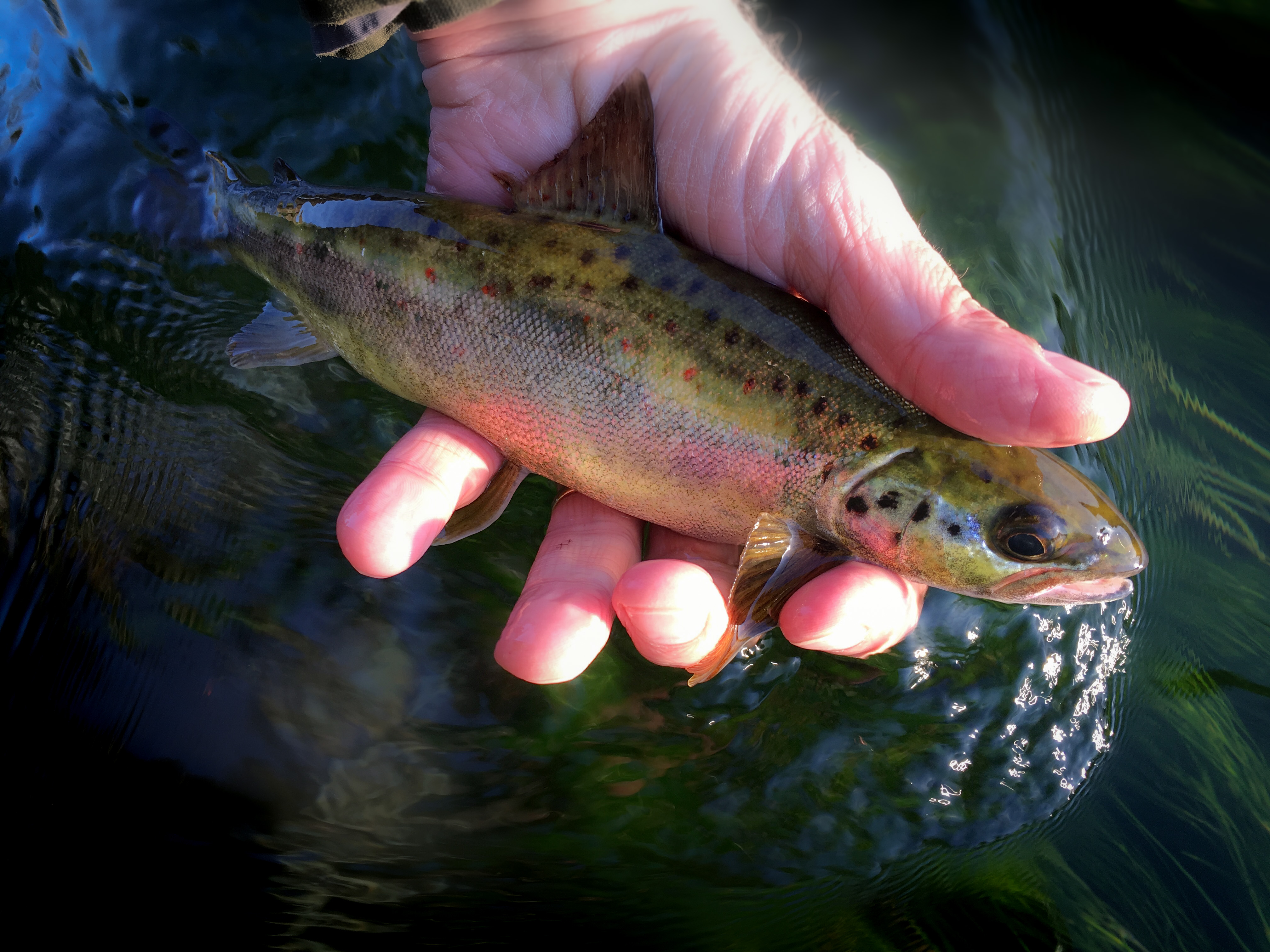
I say “fat” because the survival rate of fat, strong juvenile smolts is way, way higher and far more come back as salmon. What makes salmon smolts fatter? Habitat quality. Look at the sizes of Pacific salmon smolts after the Stage-0 floodplain re-sets they have been practicing in Oregon: it’s unbeleivable how much better these young fish do in a naturally functioning and dynamic flood-plain than in canalised streams.
The newly endangered status of salmon is being used as a way to berate the government, the water industry and farming. By all means exhort all three to do a better job, but after a while endless blame becomes a form of avoiding responsibility: it’s like pointing at the litter instread of picking it up. It feels like you’re part of the solution, when actually you’re part of the problem.
Light a candle! Don’t curse the darkness.
So, looking to what we can do if we “act now” … we can restore our rivers and the landscapes which support them through all the measures advocated – for example – in the chalk stream strategy: by restoring the wild, wet, dynamic roughness of healthy habitat. Restoring meanders, floodplain connectivity, wet woodland, gradient. As well as – of course – lessening abstraction and pollution.
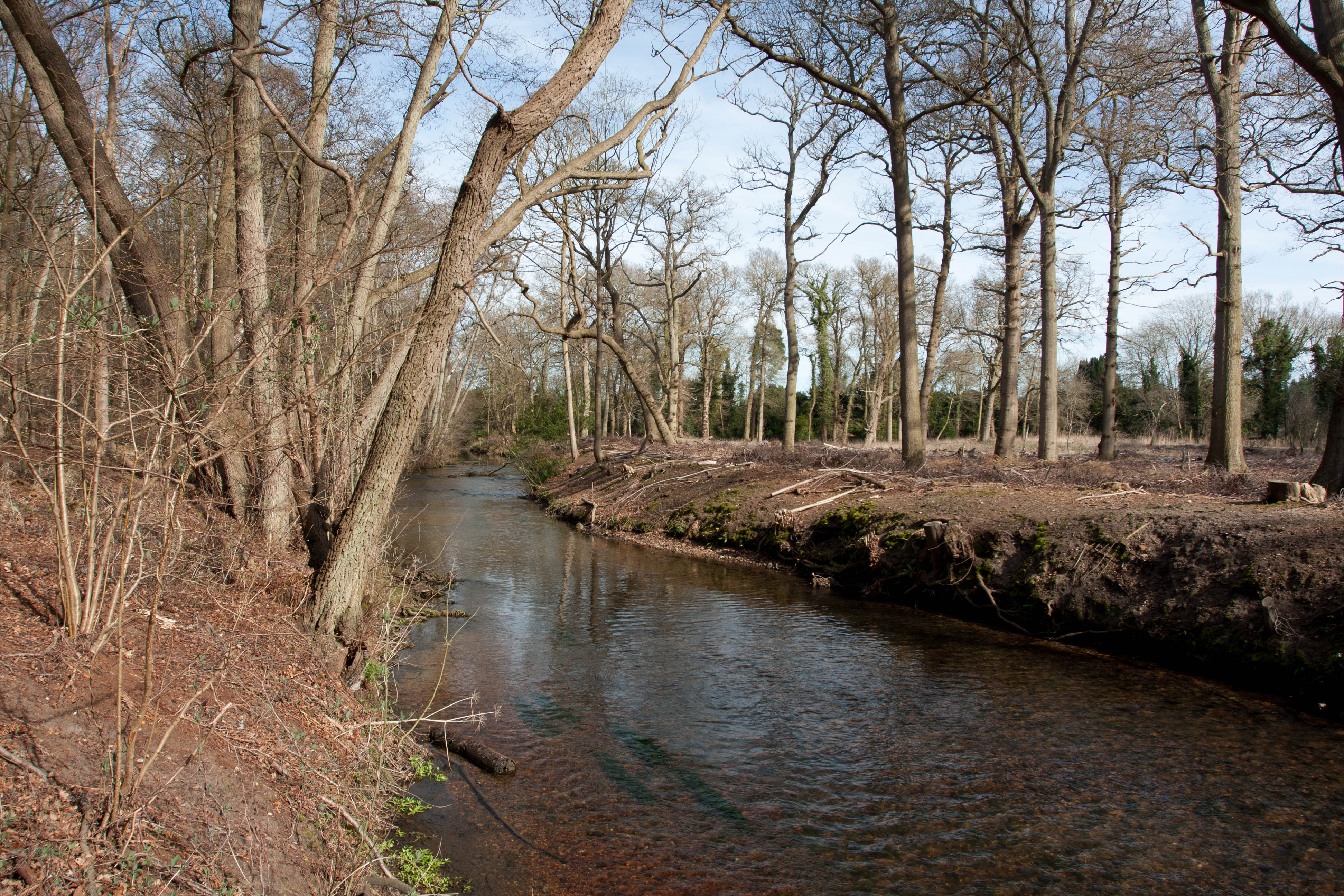

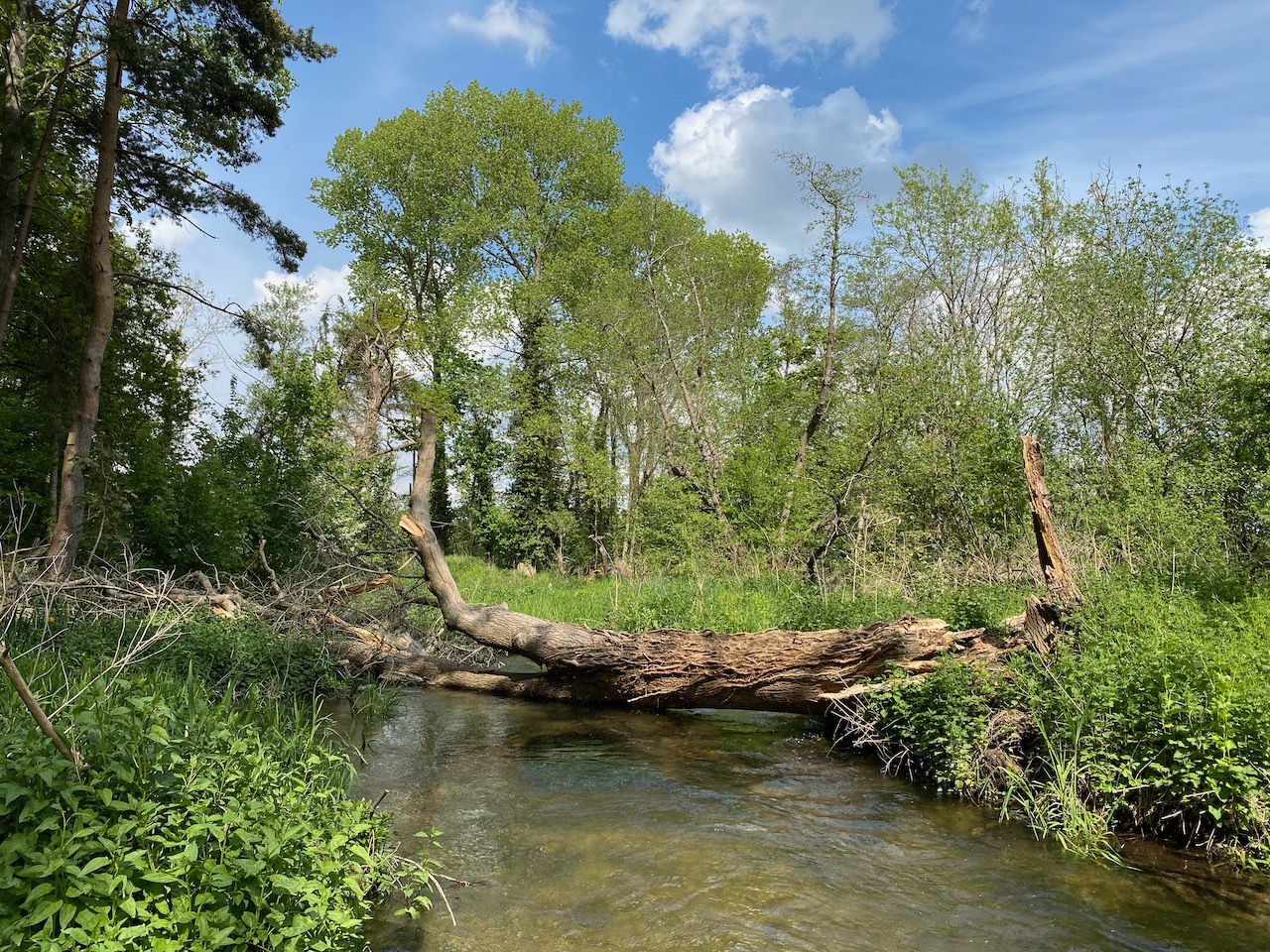
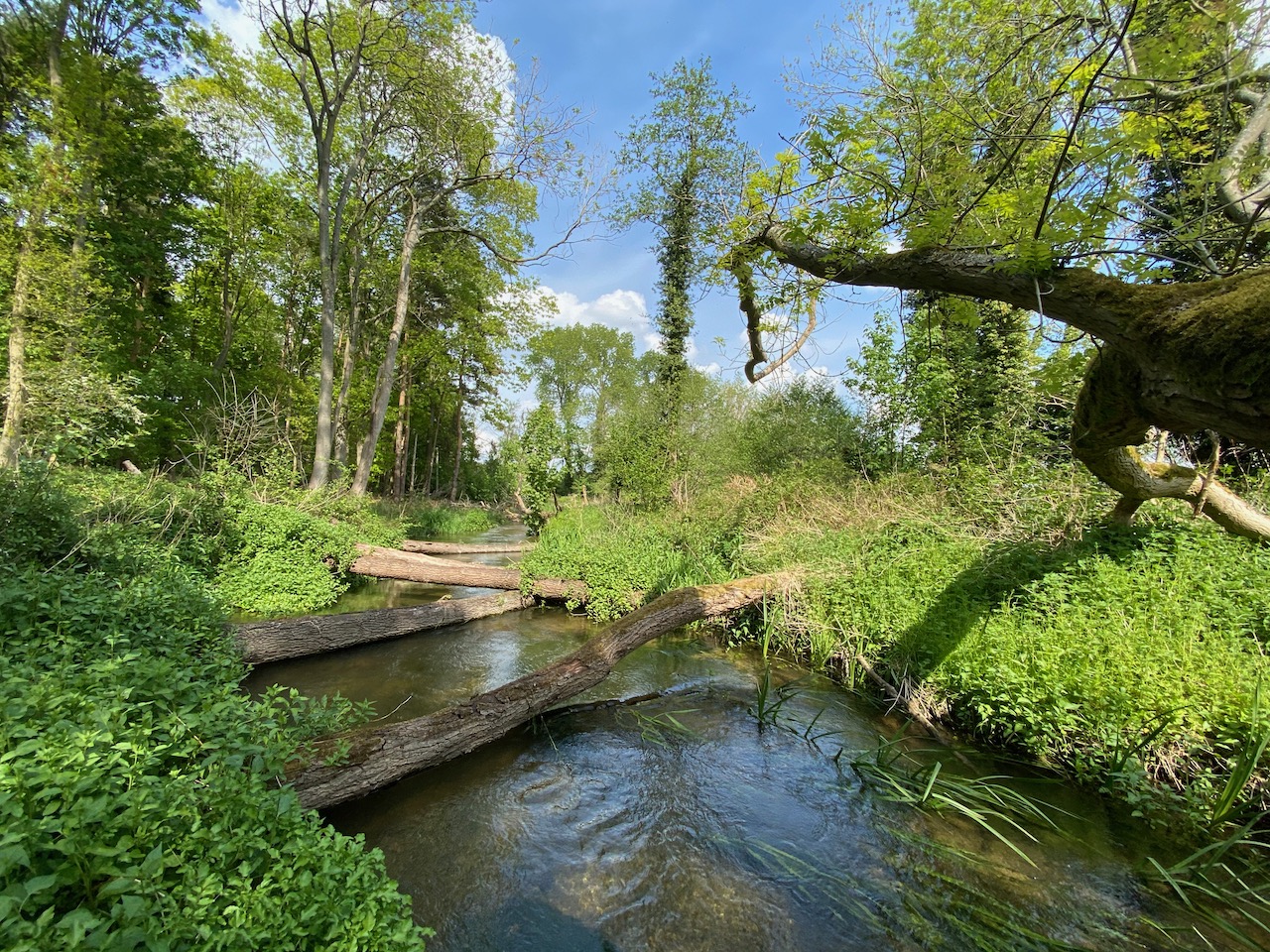

The unique chalk stream salmon, perhaps our most ancient (as in how long it has been here) native animal is right in the crosshairs of all those adverse impacts of climate change and mills and overfishing. The species deserves actual action on our part, as opposed to self-serving nowt-but-protest ersatz action.

We shouldn’t just hold the line in habitat restoration either, focussing on the streams where salmon still exist: we should be restoring salmon to the chalk streams from which we barred them over 1000 years ago. En masse all these spring-fed streams could – if properly restored and managed – become a vital arc for the endangered English salmon.


Charles, an excellent article and a call to action. Thank you
LikeLike
To my wee mind, this is your best yet. Finally a significant voice flags the link between the over management of chalkstreams & the stocking of oversized “robo-fish” with the failure of salmon in these rivers – bravo!
LikeLike
Thanks for this brilliant explanation.
LikeLike