Last Friday afternoon 30th May Sophia’s petition “please don’t abandon the chalk stream recovery pack” passed 10,000 names. By Monday almost another 1000 names had been added.

This is fantastic news. It means that the government must now respond.
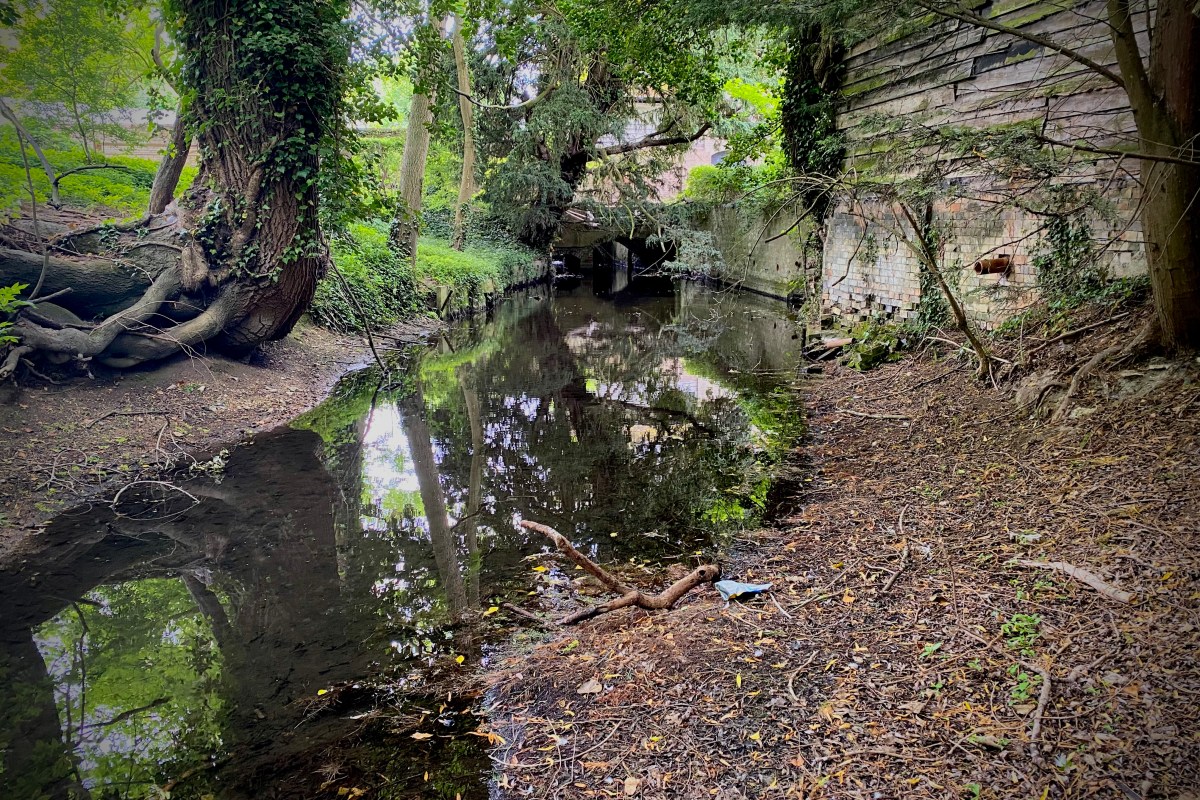
And maybe they have, to a degree. On Monday I met Minister Emma Hardy by a Yorkshire chalk stream. Many thanks to our guide Matt Arnold from the East Yorkshire Rivers Trust.


Though we were standing beside the Boston beck, perhaps one of the least pressured chalk streams in England, Minister Hardy was genuinely keen to know more about the multiple threats to chalk streams and what we should be doing to make things better.
We discussed the extreme levels of abstraction that exist on some chalk streams, especially those near London, and the suffocating nutrient pollution that comes from innumerable small sewage works where there is no phosphorous limit or where, if one exists, it is absurdly lax. We especially focussed on the lack of clarity in catchment level decision-making, something I feel the government could help with by unambiguously signalling the importance of chalk streams.
That signal should have taken the form of the Defra chalk stream recovery pack, of course, but I’m not holding my breath for a change of heart regarding its publication. Though you never know.
I will certainly continue to push, arguing why many of the measures in the pack were low-cost no-brainers: stuff that builds on existing policy with greater clarity and purpose, that would remove blockers in bureaucracy or give clear signals to water resource groups and water companies on where to prioritise abstraction reduction or target better water quality in vulnerable headwaters or that gives support to stakeholders.
My guess is that the treasury has put more or less everything on hold while it tries to prioritise growth through development.
This is worrying. Water efficiency through demand and leak reduction, for example – THE big plays in our national framework for water resources over the next two decades – means nothing for nature, unless accompanied by actual abstraction reduction. Of itself water efficiency simply makes headroom for development. And in the current climate this is almost certainly what it will be used to deliver.
Similarly, if the water industry is left to meet the previous government’s laudable nutrient reduction targets (as set out in the Environmental Improvement Plan) via “highest technical standards” at large works downstream of large population centres where highish standards exist already, then of course this will be the preferred “cost-effective” pathway for all parties.
All parties except fish and insects who might prefer those chemicals are removed upstream of where they live. The point is, you can create a great headline figure for phosphorus removal where it makes little ecological benefit, but why not direct the targets towards their purpose?
Without direction from government or its regulators on how to prioritise either abstraction or phosphorus reduction, economic efficiency of a decidedly anthropogenic kind will decide. River life will receive little benefit from initiatives intended to restore it.
Frustratingly, it’s all about economics – no matter who’s in charge – and so long as water is as cheap as it is, and so long as imaginative and economically-efficient ideas like Chalk Streams First or nutrient treatment wetlands or risk-based buffer strips (all measures a recovery pack might have given prominence to) are starved of oxygen, then nature will pick up the bill.
And thus the can is kicked down the road.
It doesn’t have to be this way. The chalk recovery pack would have been Defra’s first bespoke policy document for chalk streams. This government could yet dig it out, add some oomph to the stuff that got watered down, and defy my cynicism. No one would be happier to be proved wrong.
In the meanwhile, it was a pleasure to meet the Minister and I’m very much hoping we can meet again soon on one of the Flagship project sites, the Chess, for example where Kate Heppell is leading amazing citizen science research, or the Anton, where Simon Cain and Bob Wellard are concocting imaginative re-wilding schemes. And then perhaps the beleaguered Ivel which barely flows, or the Ver whose headwaters this winter have been constantly polluted with raw sewage.
 Chalk-Streams