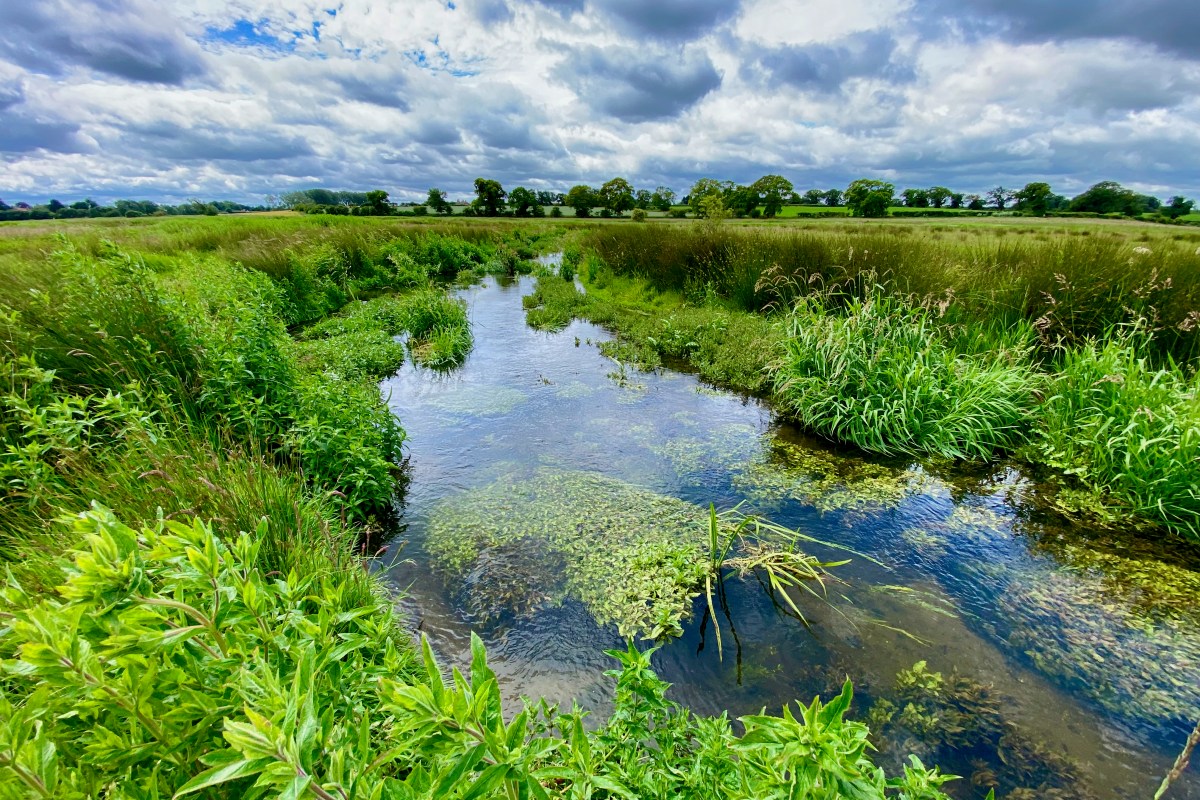
I’ve been back to the River Stiffkey a few times over the past few weeks to see how the newly created “natural” channel is evolving.
This is a section of a Norfolk chalk streams that curls around the edge of an Iron Age hill-fort. It was radically straightened several hundred years ago and subsequently dredged into a deep culvert.
The Norfolk Rivers Trust and Holkham Estate asked me to design a restored, natural channel to take the river back to where it used to flow. All sorts of good things should follow a project like this: a restored channel will be good for bird-life, for trout and sea trout, for invertebrates and for the diversity of plant species. It should be good for flood management and carbon sequestration too.

This is a simplified overview of the design I produced, about 2km of river from top to bottom (the flow direction is up the page!)
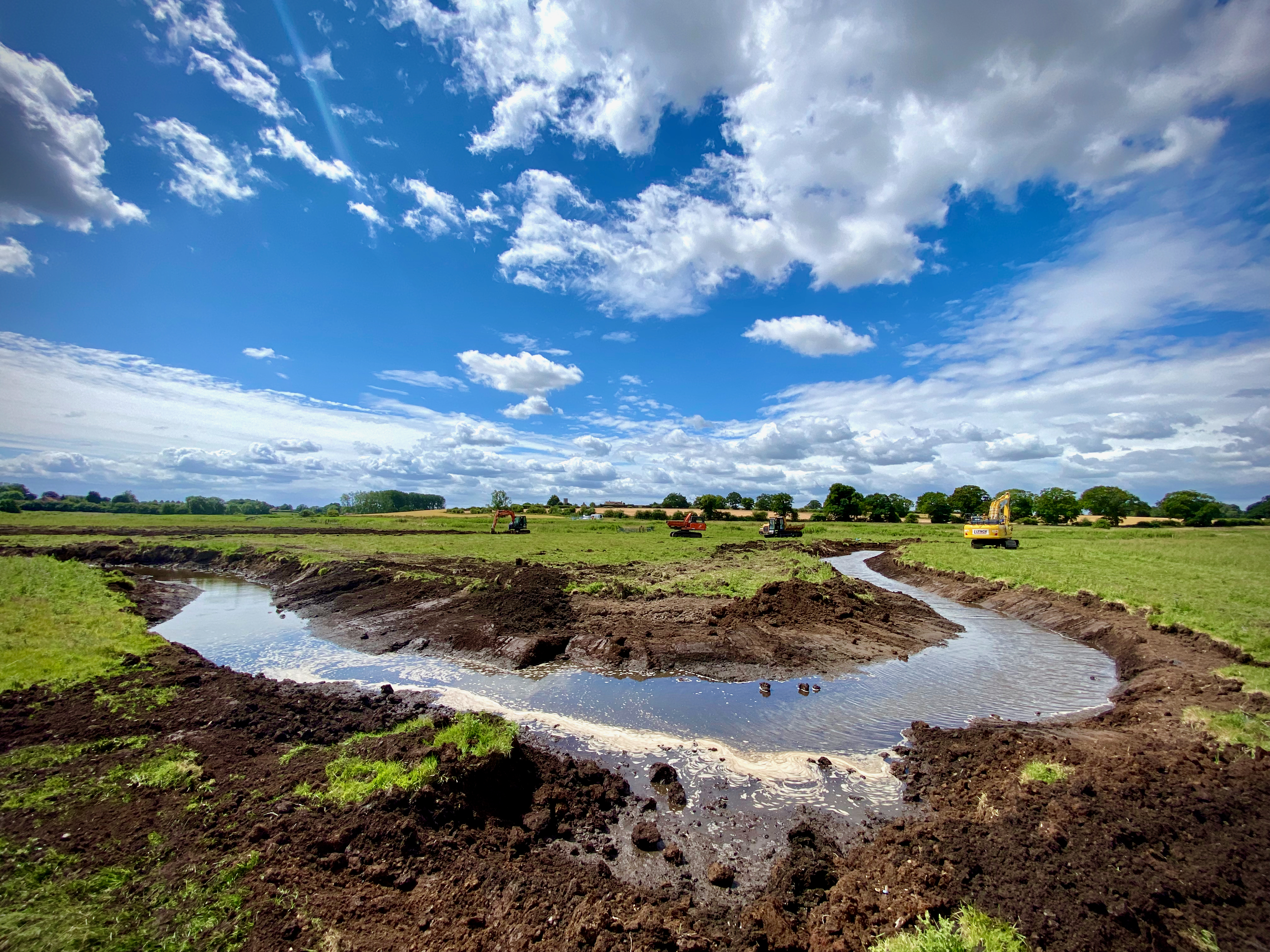
We executed the work in two phases in 2023 and 24. Here the diggers start work:
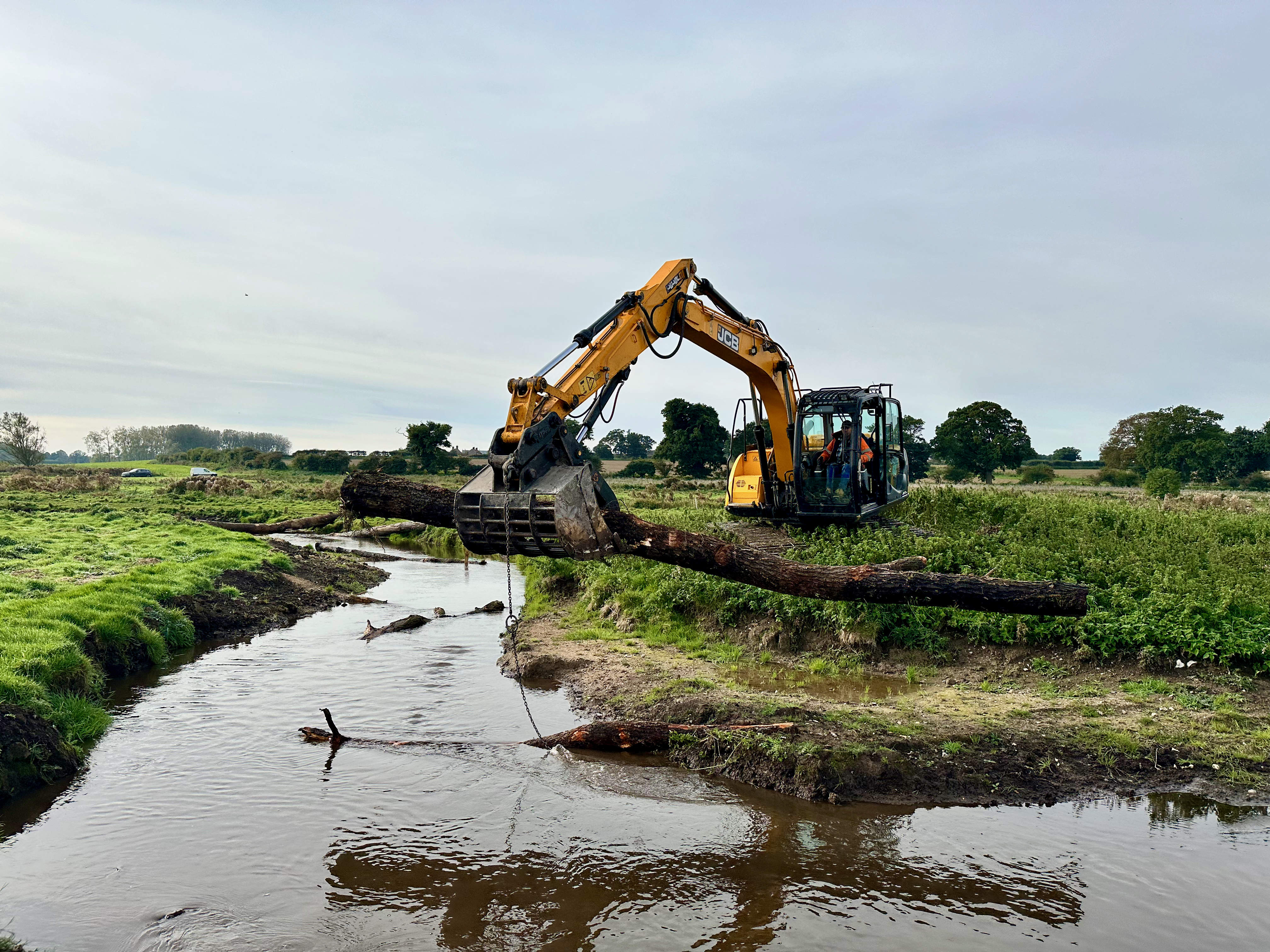
And here we place out “large woody debris” to give a bit of structure to the new channel:
Already the changes are visible on google maps: below is a before and after of the satellite imagery. The keen-eyed will see the clues in the floodplain as to where parts of the natural channel once flowed. And now flow again.
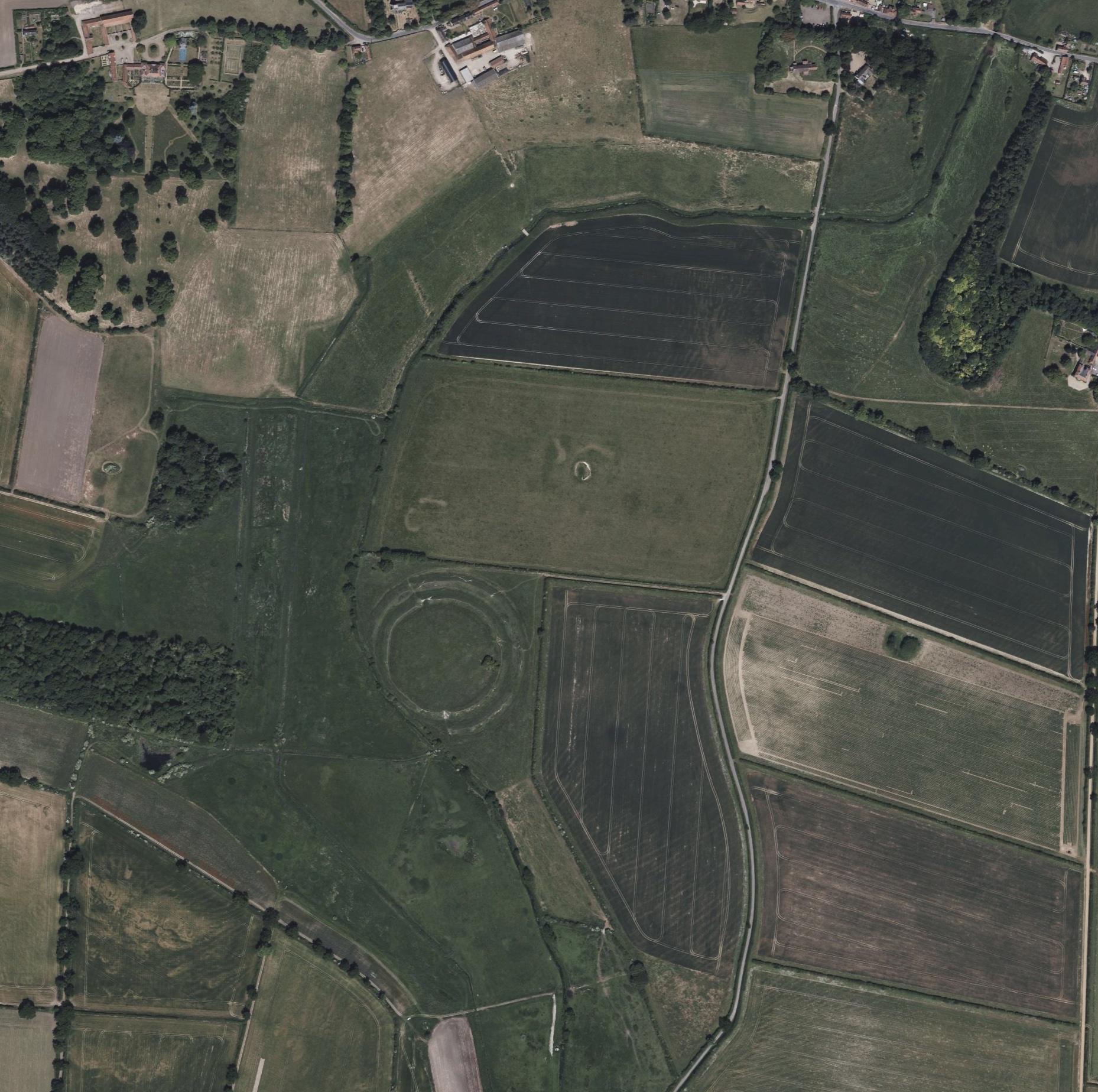
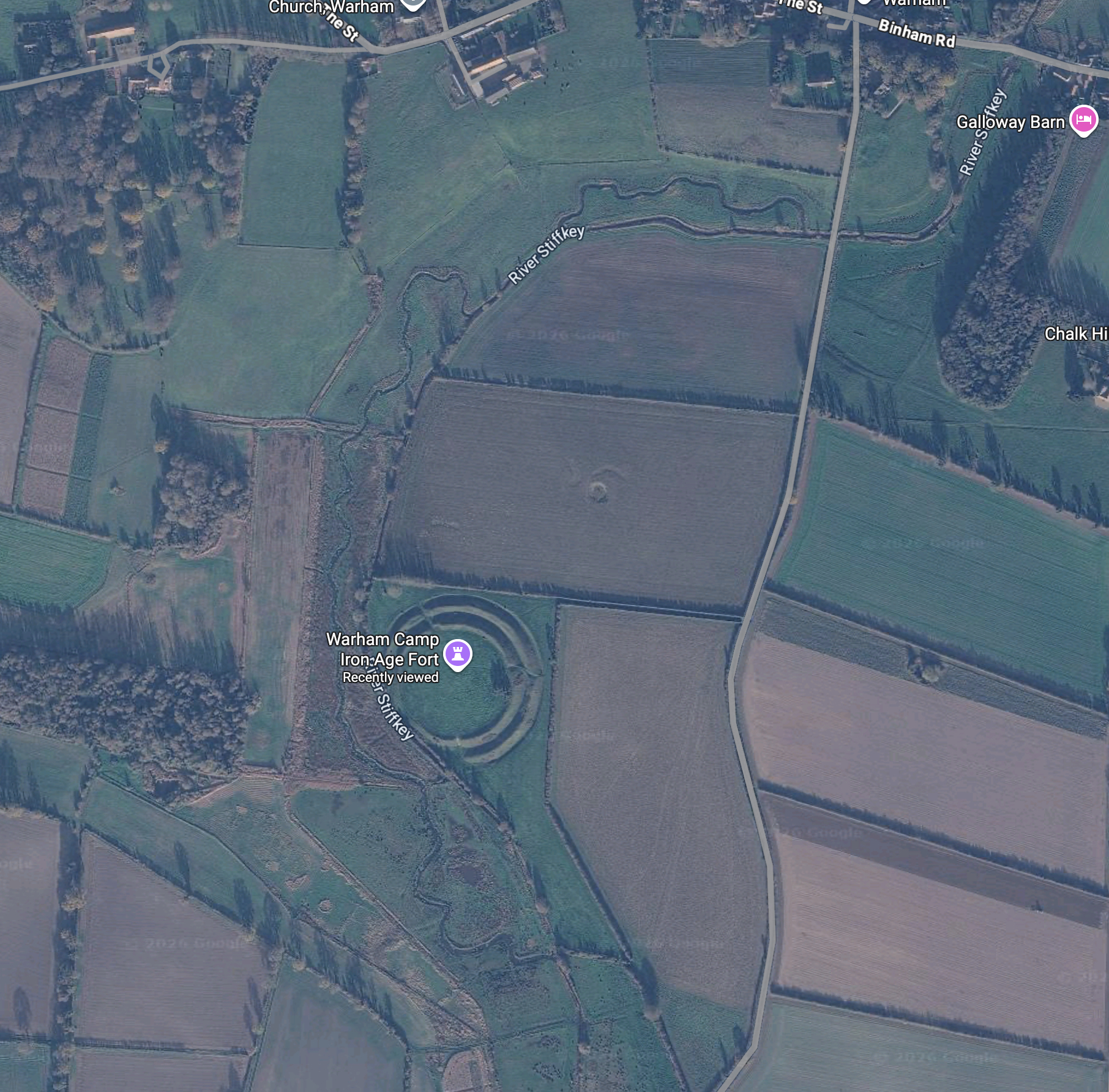
We were lucky in that the winter flows that followed the 2023 phase were very strong and this gave the river a chance to self-adjust. It also showed the river working naturally and that vital relationship between the river and its riparian space: just fantastic for wading birds.
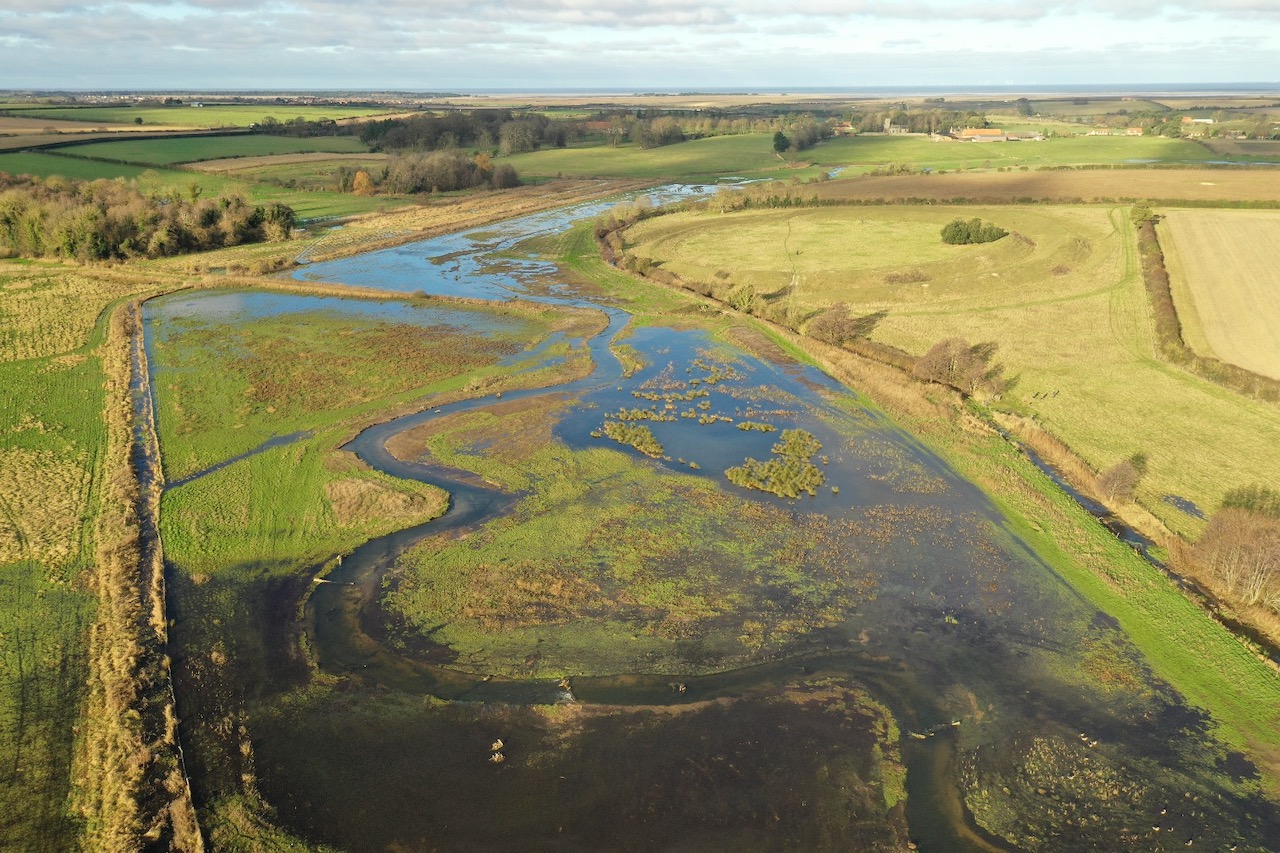
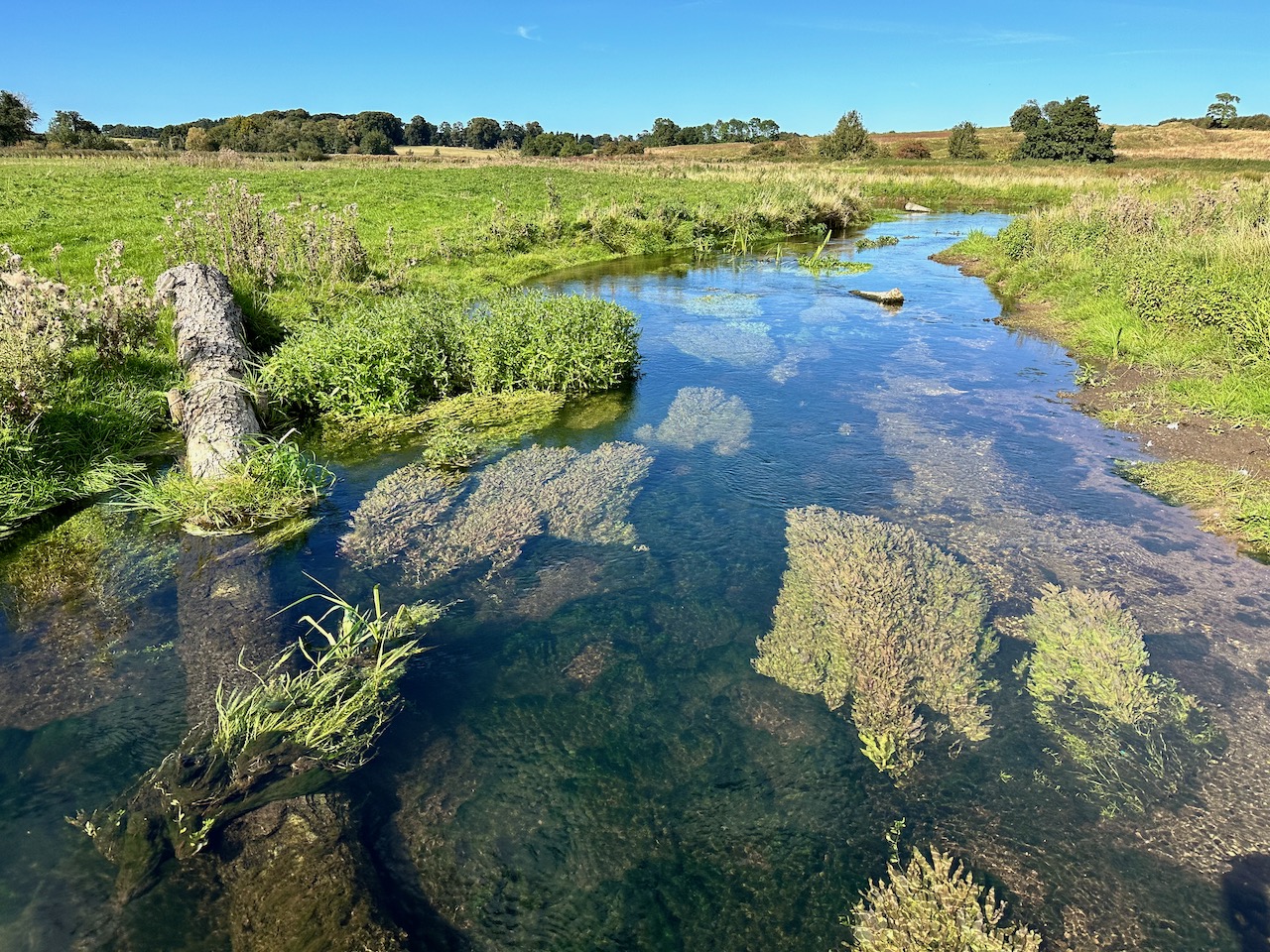
By the summer of 2024 the first phase looked radically different than the weed-choked channel it had replaced:
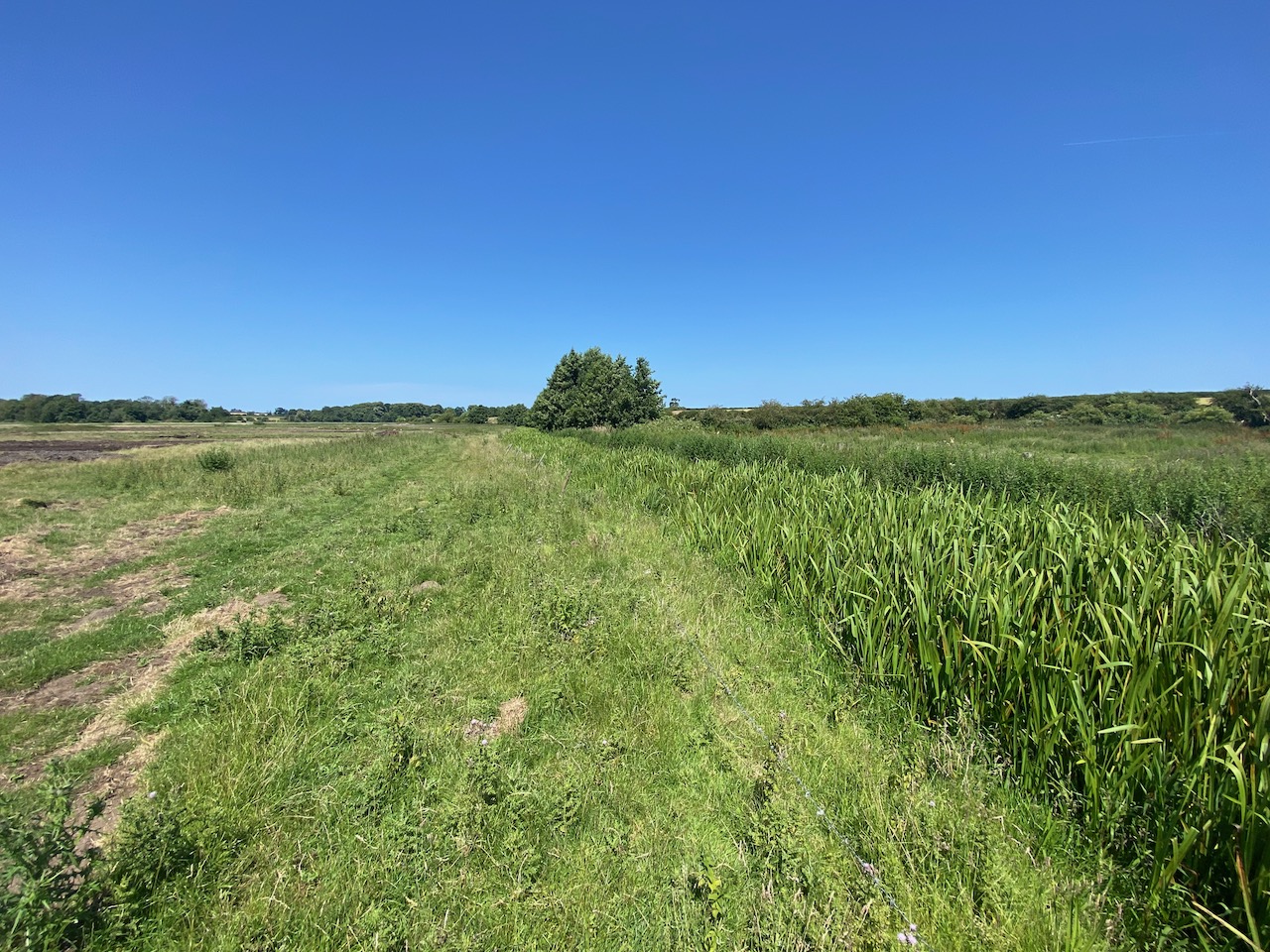
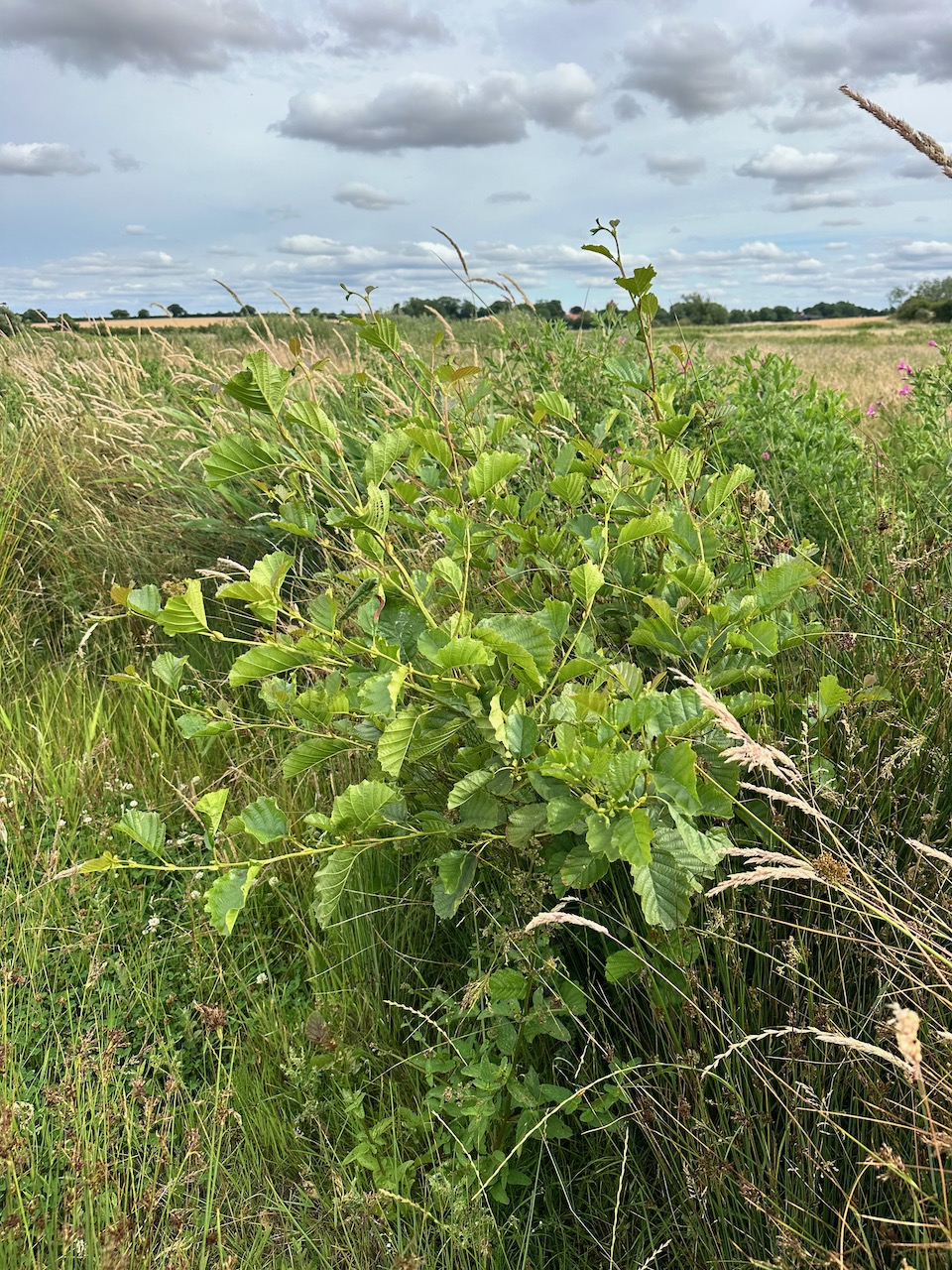
But these restoration projects must also be seen in terms of longer time-lines and here it is really interesting to see whether trees come back to the site and if so, which species. A mosaic of tree cover and open grassland / fen will be the secret to the long-term resilience of the project. So, it is really encouraging to see some trees springing up and fascinating to discover that they are mostly … hazel.
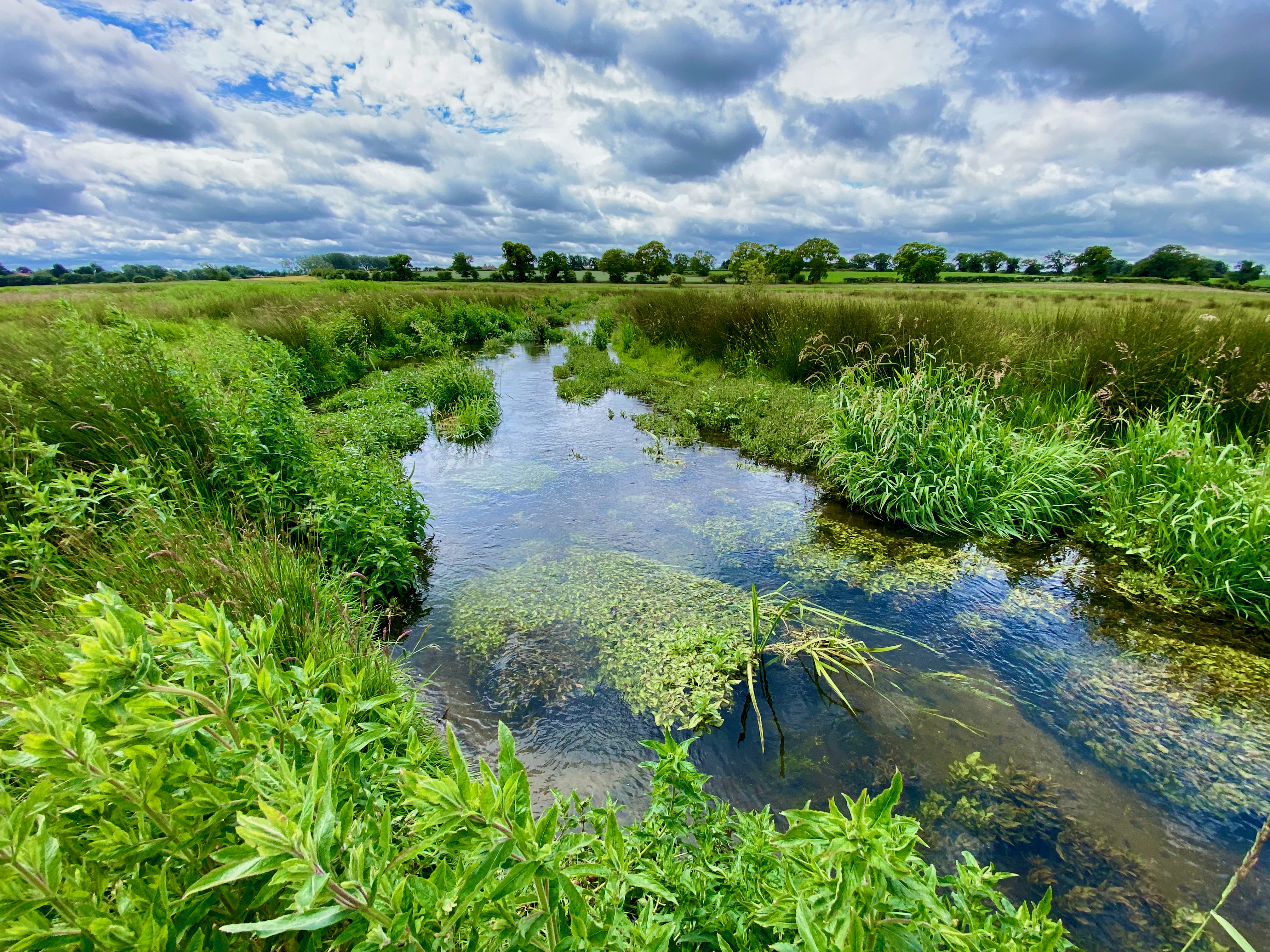
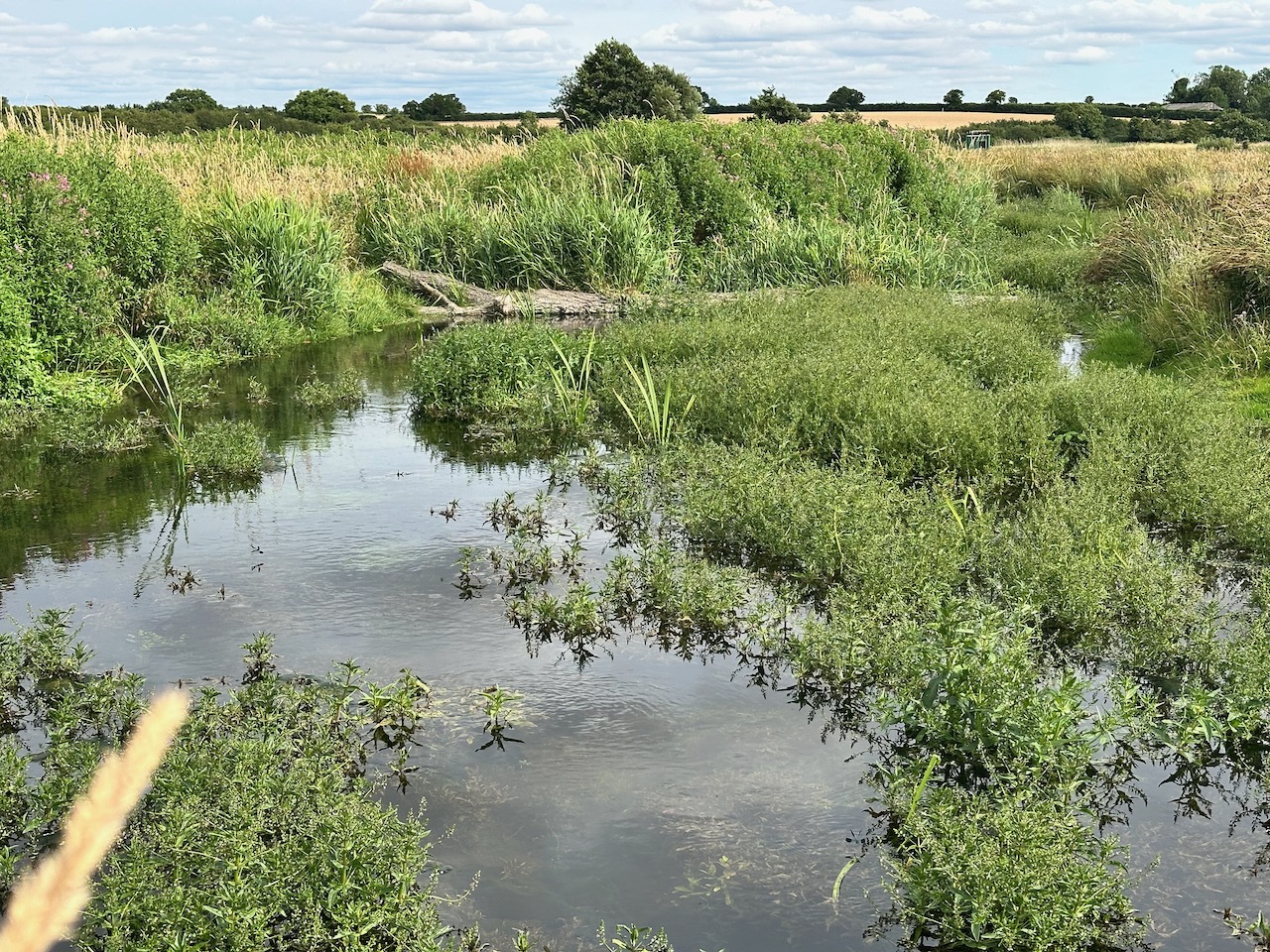
2025 and now 2026 have seen lower flows and I have been interested to see how the habitat has developed. Unsurprisingly, the riparian vegetation has crept out over the channel but even so, there is no choking of burr-reed, because the bed of the river is a constant gradient: there are no sumps.


I live in Stiffkey and the river runs through the bottom of my garden so have a very intimate relationship with it. Earlier this year there was a huge algae bloom that covered all the plants and gravel. I was very worried about fish and insect levels although they do seem to have recovered somewhat in recent weeks. I used to see eels regularly but haven’t seen one for a couple of years now which is a disappointment.
LikeLike
The nutrient loading in the river is clearly too high. There are five small sewage works in a daisy chain. I used the river as a perfect example of how the cost algorithms for upgrading sewage works leave small rural streams behind and favour large urban works. Norfolk Rivers Trust is addressing this as best can be done at the mo, with treatment wetlands.
LikeLike
was there any before and after monitoring of all biodiversity or is it just photographs ?
LikeLike
The Norfolk Rivers Trust is running the monitoring. Anecdotally, I have heard the invert samples are encouraging, but I don’t have the data.
LikeLike