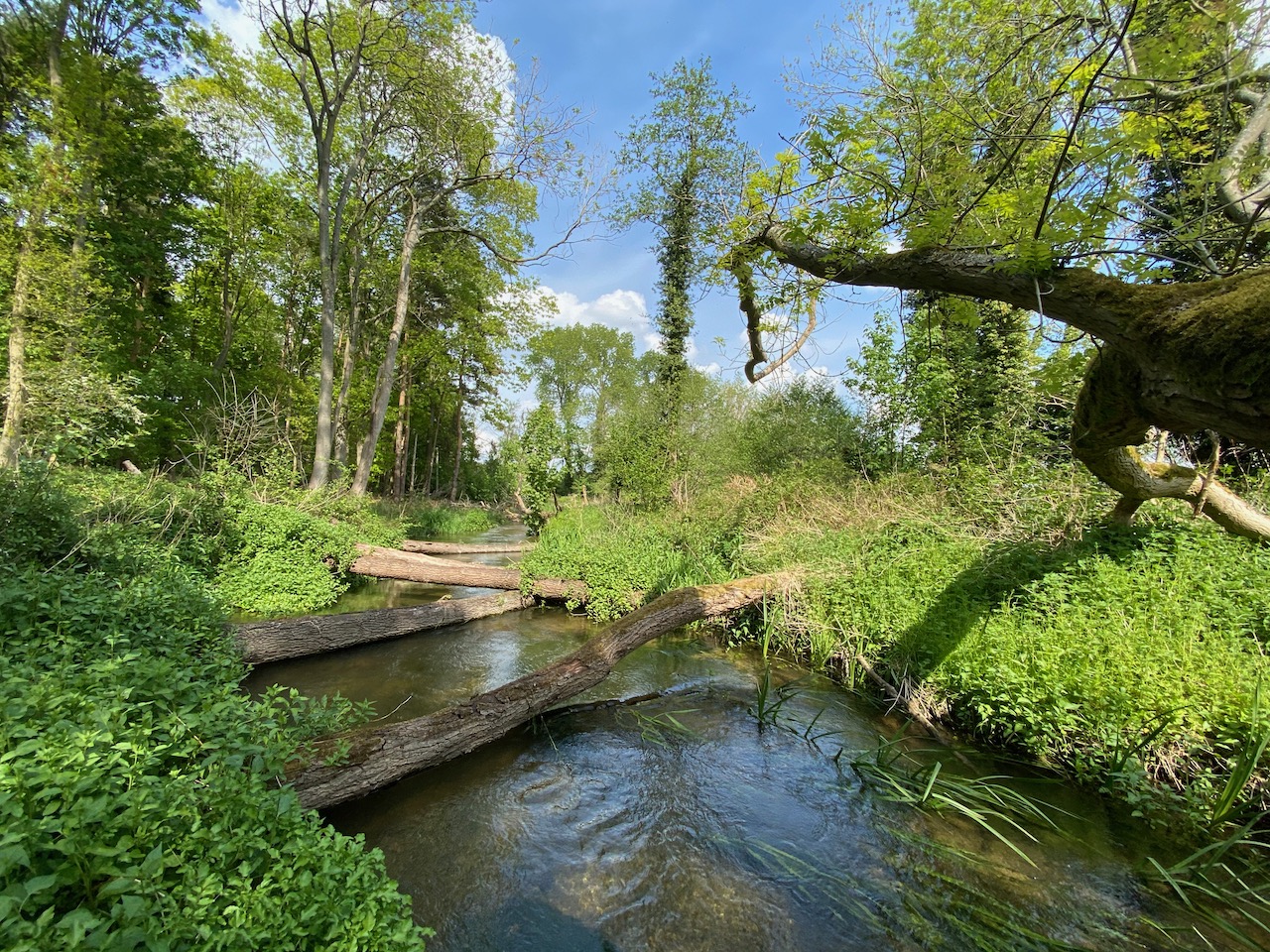
The abandoned chalk stream recovery pack?

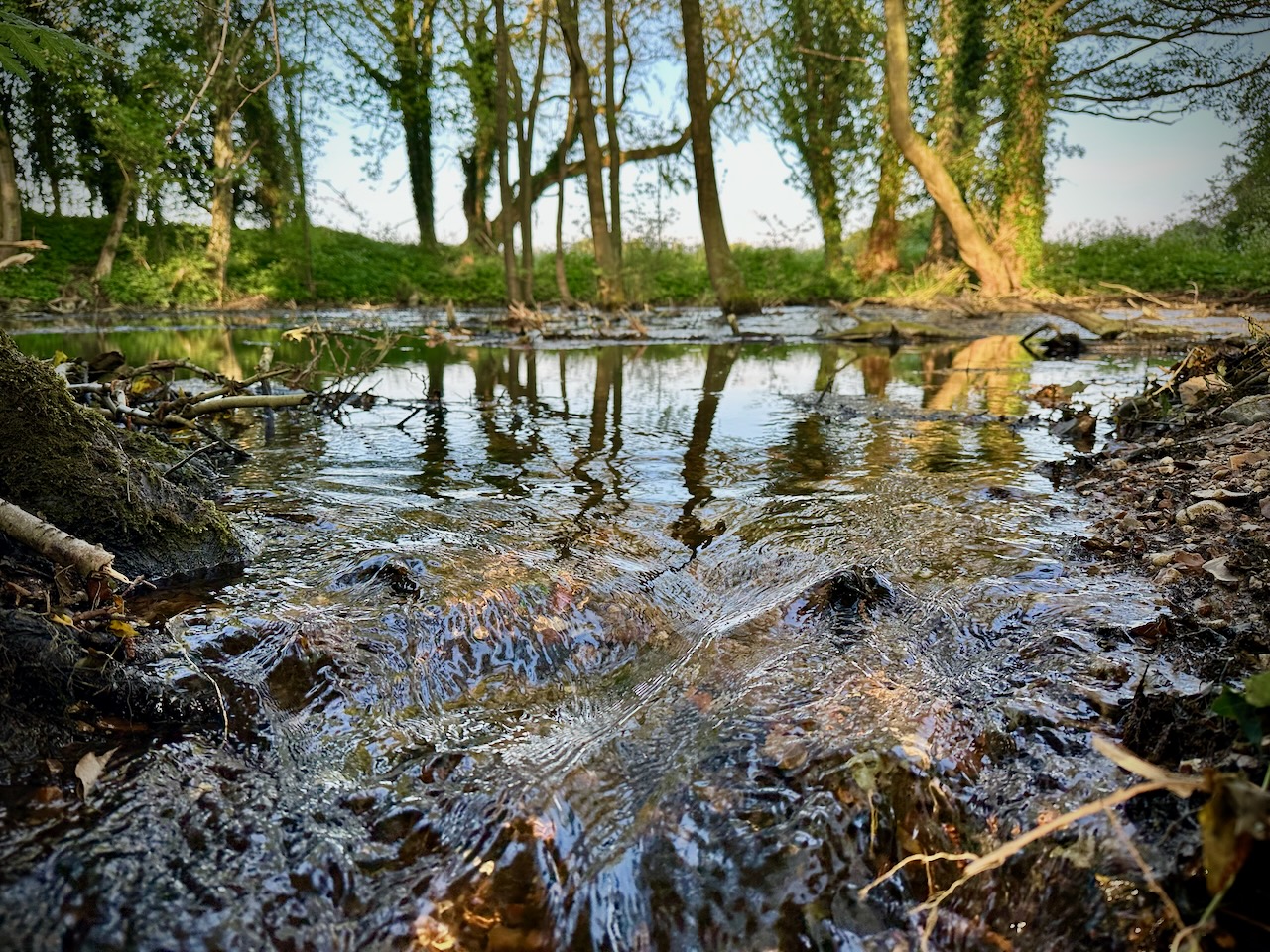
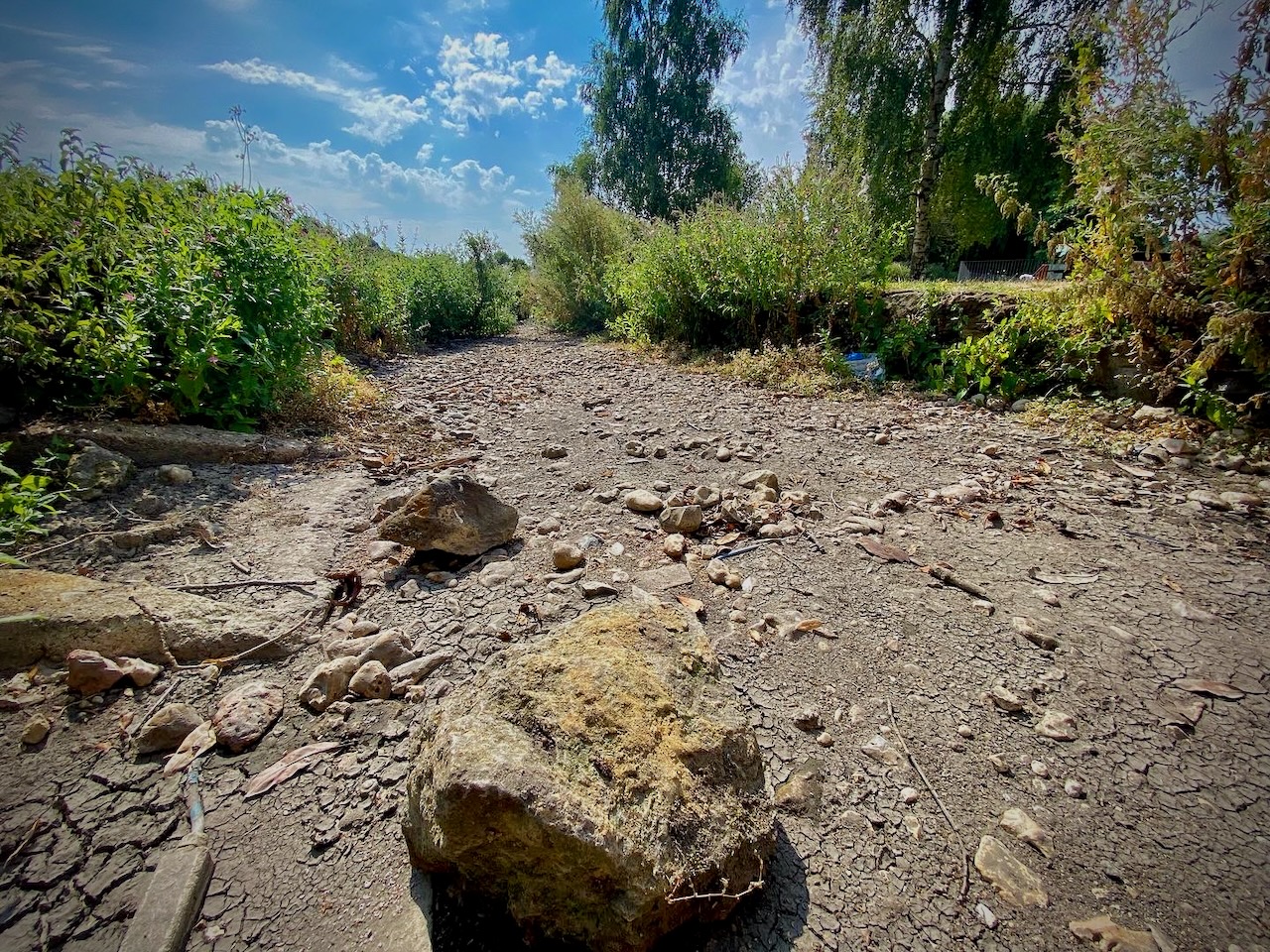
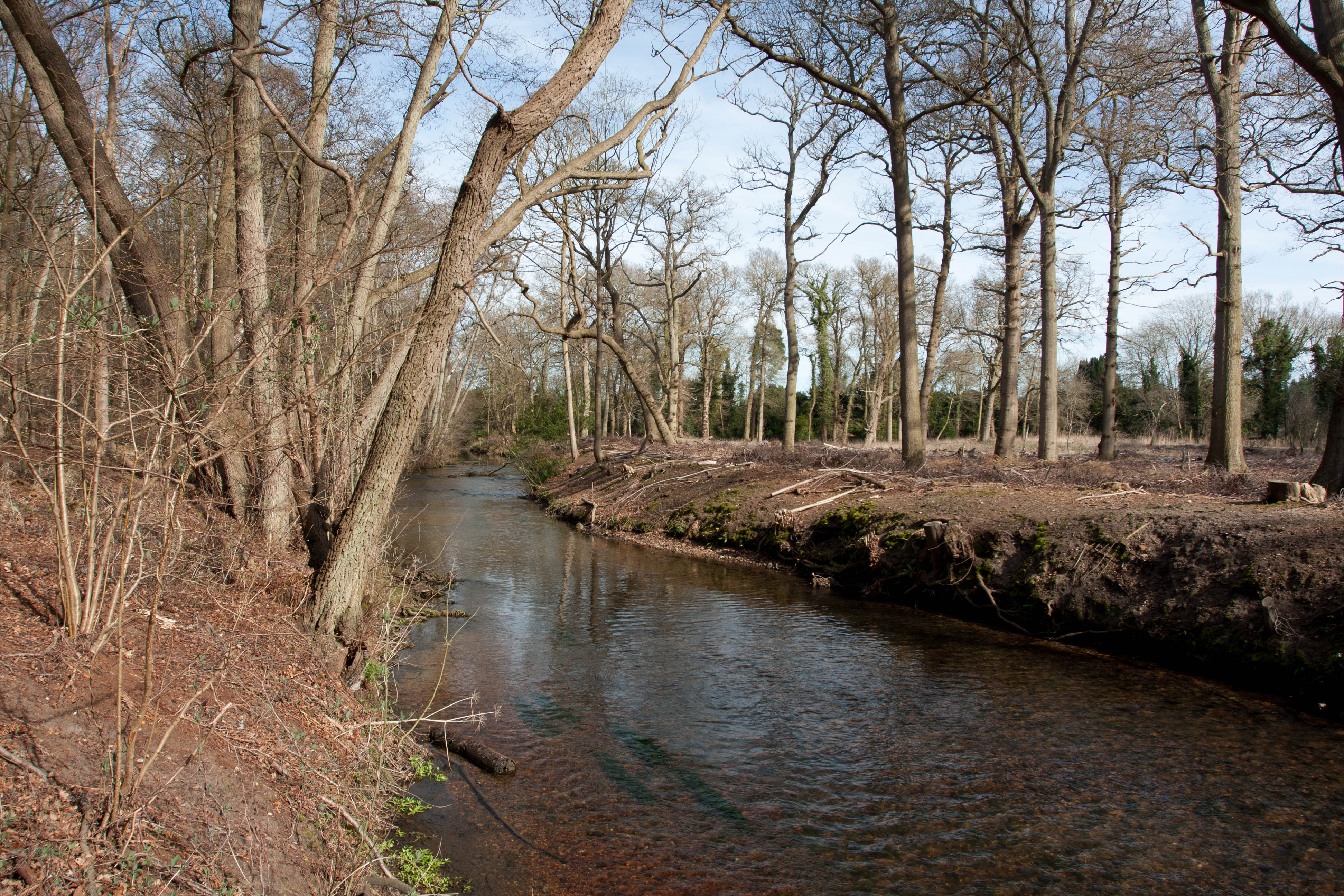
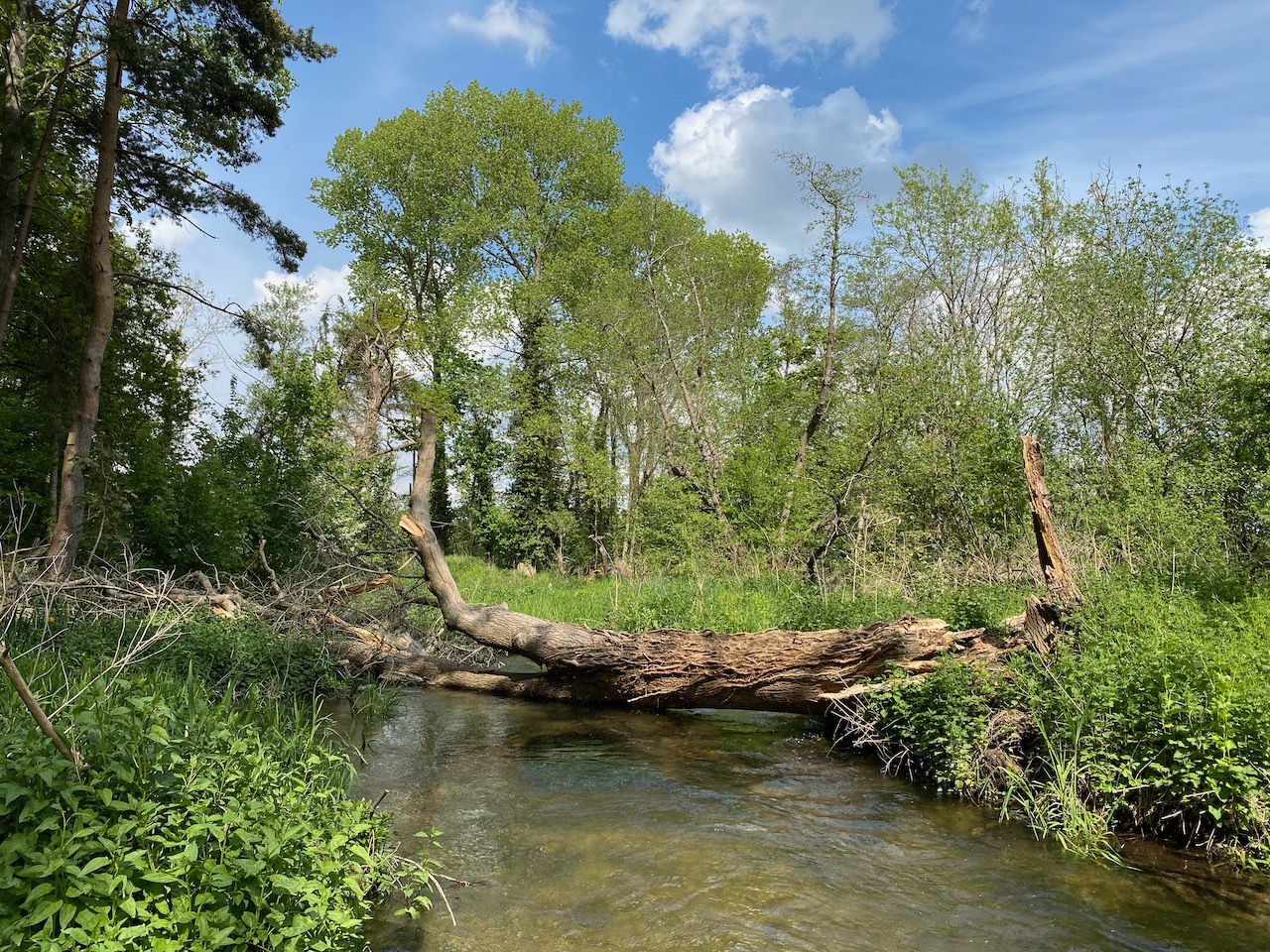
As far as I have been told Defra has abandoned publication of the promised chalk stream recovery pack. A great shame for beleaguered chalk streams like the Ivel (above), the Lea, the Ver, the Darent, the Misbourne, the Cam, the Granta and dozens of other globally unique but over-abstracted and polluted rivers. Is the door open for a change of mind? I truly hope so.

That dogged river warrior Feargal Sharkey – who will no doubt be leading the river of people through London this weekend – repeatedly asked the last government after the fate of the chalk stream recovery pack that had been promised by then Minister Rebecca Pow. 

Twenty-one times he asked on Twitter what had happened to the document – Defra’s response to the recommendations in the CaBA chalk stream strategy – that the minister had said on the 15th June 2023 would be published by the end of that year.

It wasn’t. (Not the minister’s fault, btw … see below)

But since the general election Feargal has stopped asking. Which is a great shame, because his tireless needling does resonate in government. And the pack is worth publishing.

I have to admit, it used to bother me that he once asked so often, because elsewhere Feargal has written that the CaBA chalk stream work is a waste of time. I felt it was a taunt, much that I also wanted him to keep chasing. I don’t agree with him. Our chalk stream work is not a waste of time. But here was Defra proving him at least partly right, and utterly failing to fulfil a promise. 

Feargal’s tweets and the lack of anything material suggested that the pack was a total fiction. 

But I knew it wasn’t a fiction … because I was helping Defra to write it. 

And by December, the date by which it had been promised, it was all but ready to rock. Feargal kept on asking and I kept on waiting for Defra to prove him wrong and publish the damn thing. But the promised chalk stream recovery pack has gone round and round in circles ever since, every component repeatedly sliding back to the bottom of the negotiation tree as staff are cycled from one place to the next.  

Following months of groundhog day delays, it has now been shelved. Defra told me there is now “no mandate”. 

I suspect their reluctance to publish might partly be because myself and the brilliant Ali Morse – water policy director at the Wildlife Trust and vice-chair of the CaBA chalk stream group – worked so hard to make the pack amount to something: we were nettlesome and pushy, for sure. But I like to think always in a positive way. 

There may also, of course, be an element of the new administration wanting no part of the old: after all the pack was promised by the Conservative minister Rebecca Pow. But I prefer to think not.

Anticipating a Labour victory in an upcoming election I went to see the Cambridge Labour MP Daniel Zeichner in December ’23, when the chalk stream recovery pack was all but ready, but was failing to find a publishing runway or clearance from the Defra conning tower. 

I must have had some notion that Defra officials might filibuster the thing for as long as they could. I had met Daniel at a chalk stream conference in Cambridge and I had a hunch that he would be an important figure in a new administration. I wanted to emphasise how important it was that our collective approach to chalk stream conservation should transcend party politics if we were to stand any chance of making progress. 

Nothing he said made me doubt his commitment to that truth. Apart from anything else, he knew Feargal would hold them to account. I hoped, even believed, that a Labour government would be as supportive of our work to improve chalk streams as the Conservatives had been. 

And much as it runs against the grain of the popular view, some Conservatives politicians, certainly Rebecca Pow, and the likes of Sir Charles Walker and Sir Oliver Heald (all gone from Parliament) were very supportive. As were MPs in other parties, of course: Sarah Green MP, for example. And members of the House of Lords, notably Viscount Trenchard and all those who spoke in favour of including chalk streams in the Levelling up and Regeneration Act. Chalk streams have cross-party support.

The delay in publishing the chalk stream recovery pack actually had nothing to do with the Minister, Rebecca Pow. She was committed and passionate about making a difference, and appeared as frustrated as I was at the procrastination. My reading is that Defra was focussed on one thing: ending the media onslaught about raw sewage discharges. And their policy-making – in spite of good words about chalk streams in the Plan for Water – appeared to be focussed on this single BIG issue.  

If my hunch is true then, ironically, the ferocity of the raw sewage campaign was undermining the possibility of progress in all the other areas where rivers are equally, if not more pressured. The raw sewage scandal gets easy media attention and of course that is what government then responds to.

Techie, nerdy stuff like perfectly legal discharges of phosphorus, which arguably do more damage in many vulnerable, headwater settings, are then ignored.

But we should not ignore the full range of ills that beset our streams.

Our chalk stream restoration strategy and Defra’s unpublished chalk stream recovery pack, were based on the interconnectedness of pressures on rivers. It’s so important to build this understanding into advocacy and ultimately into policy, because otherwise you get skewed action or unchallenged inaction and you waste money.

For example, the impact of sewage and other components of poor water quality are inextricably bound up with abstraction and the quality of the physical state of the river. In the case of abstraction, most obviously because abstraction reduces flows and thus drives up the concentration of nasties in the water. As well as water temperature which turbo-charges the activity of those nasties. 

More subtly these pressures are bound up because in many places (especially headwaters of chalk streams like the Lea and Lark) we abstract so much that our river flows become – in summer – entirely supported by sewage discharges! 

Alternative abstraction and water treatment arrangements could feasibly and cost-effectively provide the same amount of water to public supply and allow naturalised flows which would immeasurably improve water quality. 

But this will only ever be possible if people think around the policies in a three-dimensional way and do not get swayed by single-issue protest into chasing half-baked policy responses.

As Ali and I tried in vain to persuade Defra to create a policy and economic driver that would address phosphorus impacts from small works in upper catchments we were told that what would be happening (instead?) is legislation to enforce the highest technical standards on designated rivers. In other words, only the places that were already good would get any better.

Now the new government appears to have ditched the troublingly joined-up chalk stream recovery pack and vowed to jail water company bosses who break the law, a populist policy, but not necessarily an effective one.

Steve Reed has announced a review of the water industry but the terms of reference do not look auspicious. There’s no sign of the nationalisation that some so hope for, but instead talk of ‘trade-offs balancing affordability with service and clean water’: which is exactly what we’ve had since forever. Only, without the clean water.

The environment always picks up the bill.

So, we have “a march clean water” but we should also march for “more water” and “better habitat”.

In the time I have dealt with Defra over a chalk stream strategy instigated by Defra – or at least their minister – I must have interfaced with at least half-a-dozen individuals who were handed the chalk stream brief. They have all been very bright, committed and well intentioned. They have all learned quickly about the pressures and the whys and wherefores of the policy recommendations in the CaBA strategy. Then just as they are getting their feet under the desk, they have been moved on and another fresh face has appeared on the Teams screen. This makes progress quite challenging.

The last new face I met had been shoved to the fore to tell us the recovery pack had been shelved, but that instead the government would focus on chalk streams in national parks and areas of outstanding natural beauty. In other words, as far as I could tell the new Labour government wanted to double down on the concept of privileging the privileged and abandon the chalk streams whose condition is most abject, in the suburbs and orbit of London, in the intensely farmed landscapes of East Anglia, and in ordinary towns like Dover, Driffield, Bridlington, Dorchester, Luton, Fakenham, King’s Lynn, Bury St Edmunds, which are the focus of so much concern. 

I hope everyone who reads this will think that is as misdirected as I do.

Knowing that I wasn’t speaking to the general and was therefore wasting my breath, I nevertheless pointed out that a central plank of the chalk stream strategy, signed up to by all parties, including the Environment Agency, Natural England, Defra and Ofwat and the water industry, was the urgent need for the protection of ALL chalk streams to match those few already well protected. 

The abandoned but oven-ready recovery pack addressed that protection through a range of commitments including time-bound goals for abstraction and phosphorus reduction bringing all chalk streams to good or high status by certain key dates. It also included undertakings to consider chalk streams irreplaceable habitats in planning law, to consider better practical measures to reduce run-off in improved farming rules for water, to include special consideration for chalk streams in national highways and local road network technical guidance, and in restrictions relating to septic tanks. 

Okay, so over time much of it became watered down by undertakings to review rather than to act. Frustrating but that’s the way these things work. And as statements of intent and clear support from government, it was still very much worthwhile.

Besides, when the pack wasn’t published before the election this became a golden opportunity for a new government, committed to the restoration of our rivers – as this one claims to be – to inject a bit more oomph and send it to the printers. 

I haven’t entirely given up hope however, because as I say, I’m not entirely convinced this decision – in as much as it is a decision, as opposed a slow and relatively silent abandonment – comes from the new government so much as the permanent department. In a recent debate on chalk streams Minister Emma Hardy was asked by Sarah Green MP when Defra would publish the chalk stream recovery pack. The minister didn’t entirely sound as if she’d been briefed about it. 

If only the minister had known it was ready to go, is a total no-brainer, could be made more impactful in a jiffy and would go down very well with all those people marching through London on Sunday.

And maybe two steps forward again?

I’m pleased to say that I heard yesterday from Paul Jennings – chair of the River Chess Association – that the Environment Agency had contacted him to say they will not go ahead with the resumption of the Alma Road abstraction: not for now anyway (see previous post).

Paul’s official statement reads: “The Environment Agency has announced that work on the resumption of abstraction at Alma Road, Chesham has been halted. Affinity Water has been asked to stop work. The Chiltern Society, River Chess Association and Chiltern Chalk Stream have been told that the EA want to engage with local stakeholders to present their evidence. The River Chess Association feels there will be little data to support the resumption of abstraction. It believes the focus should be on tangible flood risk identified by volunteers over the past 5 years not theoretical models.”

Respect to the EA for being gracious enough to listen to the public unease at their poorly explained and apparently not well justified plans, to act quickly and halt their work.

We’ll see now the real case for the proposal, but as I suggested in the previous blog post, manipulating groundwater levels to mitigate fluvial flooding is a very convoluted approach and unlikely to work, in my view. Fluvial flooding is all about channel conveyance capacity. The best way to use a chalk aquifer to mitigate flooding would be to address run-off in the upper catchment and make changes to ditches, drainage and land-management (encourage zero till, for example) so as to increase aquifer recharge rates and slow in-channel flow rates. The aquifer itself will then act as a buffer. Do that in combination with easing conveyance pinch-points in the channel, of which there will be many in a town like Chesham.

I also questioned whether repurposing a public utility groundwater abstraction licence towards so-called flood mitigation could possibly be within the conditions of the licence.

And finally I asked if deliberately increasing one form of environmental damage – abstraction – to off set another – flooding – might be in breach of water framework directive rules.

I hope all these issues are addressed when the EA engages with stakeholders.

Two steps forward, three steps back?

Why, oh why has the Environment Agency asked Affinity Water to turn abstraction pumps back on in the River Chess catchment?

In the late 20-teens John Lawson came to me with a great idea that could end over-abstraction in many chalk streams, especially those near London. He explained how in the next ten years or so Affinity Water would be building a pipeline to connect their southern region (south of the Thames) where they have more than enough water, with their northern, where they do not. This pipeline, said John, would enable the wholesale reduction of groundwater abstraction in the chalk stream tributaries of the Colne: iconic streams like the Ver and Chess that have been far too heavily abstracted for over half-a-century. And maybe the chalk streams of the Lea too.

If you turn the groundwater pumps off, a lot of the water you “leave in the ground” so to speak, comes back as flow in the stream. With a pipeline you could abstract the water at the lower end of the catchment instead, store it in reservoirs (of which there are several in the London area) and take the water back to the places it came from, to be used as public water supply. The difference being that this way, the rivers actually get to flow. We called John’s brilliantly simple idea “Chalk Streams First” because it gives the river first use of its water. With the support of a coalition of eNGOs we started trying to interest the water companies, the Environment Agency and Ofwat-Rapid (Regulators Alliance for Progressing Infrastructure Development).

Rapid was interested from the start. Paul Hickey, who directs Rapid, is passionate about ensuring we actually deliver on our environmental ambition. The Environment Agency was interested too. Even Affinity Water took to the idea, especially once the Environment Agency indicated that it might allow some variations on the theme and flexibility with licence relocation favoured by Affinity’s very clever technical guru, Doug Hunt.

The introduction of the Grand Union Canal transfer scheme promised to underwrite any losses to public supply (ie. disparity between what you no longer abstract at the top end and what you get back at the lower end of the streams) and thus Affinity Water started to build abstraction relocation into their business plan. They will address the Colne chalk streams to start with, but in due course all the chalk streams of the Lea could also be included. The first shots, the prequel shots in fact, were fired in 2020 when Affinity Water voluntarily shut down their Alma Road abstraction on the River Chess.

Through these same years the CaBA chalk stream strategy has gained momentum, with support from Defra, the water industry and all stakeholders. The Colne version of Chalk Streams First promised to become a national flagship for how to realign abstraction, put the environment first, but still take account of public supply. Literally everyone liked the idea. Who in their right mind wouldn’t?

So why, in the name of all that is Holy, has the Environment Agency asked Affinity Water to resume abstracting from Alma Road at a rate of up to 7 million litres per day, without much in the way of explanation (at first) or consultation (thus far)? The decision itself seems bizarre. The way it has been handled given how the plight of our chalk streams has touched the national consciousness and has been debated in Parliament, is clumsy, to put it politely.

In the interests of fairness, I ought to say that the Environment Agency has now explained that this request was made of Affinity Water in order to conduct a five-year modelling exercise to study the relationship between abstraction, groundwater levels and fluvial flood risk in the Chess catchment. Note the words I have placed in italics.

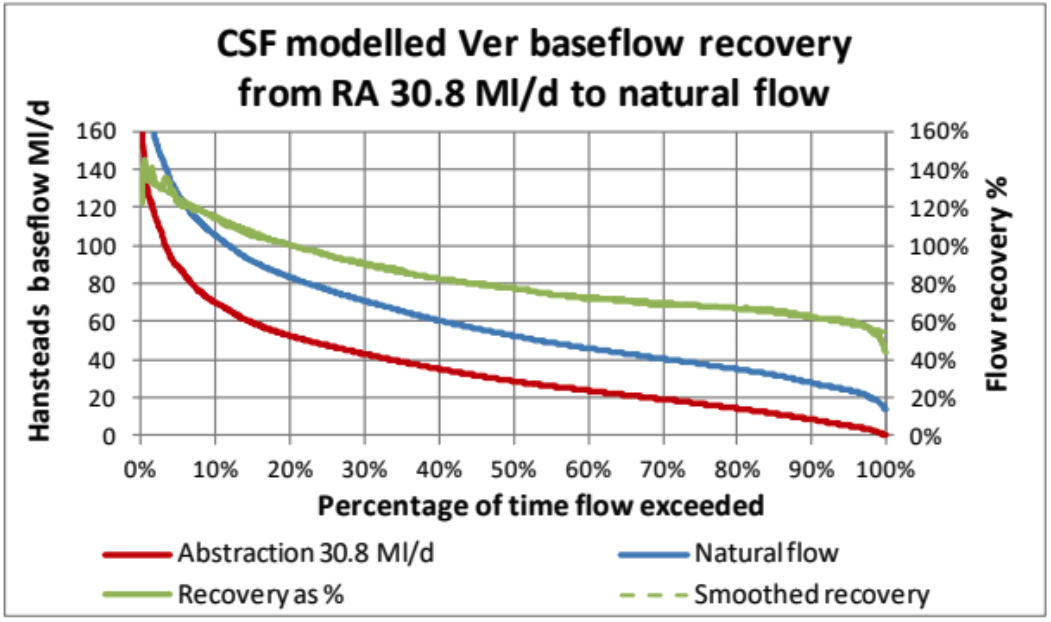
The River Chess has historically suffered from excessive abstraction which has reduced flows in the river and sometimes caused it to dry up altogether in its upper reaches. As with other Chilterns streams groundwater abstraction climbed massively through the 20th century, in the Chess from a minimal 2.5 Ml/d in the 1920s to a peak of over 20 Ml/d between 2008 and 2018, almost 38% of the average aquifer recharge, placing it amongst the highest impacted chalk streams in the country (in the more impacted, such as the Ivel and Darent, abstraction exceeds 50% of recharge).

The cessation of the Chartridge and Alma Road abstractions has reduced the overall catchment abstraction to more like 25% of aquifer recharge: still far too high, but enough to show noticeable benefits.

The River Chess Association report that otters, water voles, brown trout, water crowfoot, mayfly and rare invertebrates such as the winterbourne stonefly have all returned to Chesham. In fact nothing monitors improving river health more effectively than invertebrates. The Association has been recording river-dwelling invertebrates in Chesham since 2009. In recent years species previously unseen in Chesham have been recorded, including mayfly (Ephemera Danica), caseless caddis (Rhyacophilidae ), turkey brown (Paraleptophlebia submarginata), and the nationally rare winterbourne stonefly (Nemoura lacustris).  

Personally, I remember taking photographs in Chesham of a dry river in May 2017 and of a flowing river full of ranunculus in August 2022. The Chess stood for hope.

The River Chess a mere puddle in 2017
The same reach in 2022

So why toss that all away? The stated explanation seems feeble. When asked by the River Chess Association what reasoning and data were behind the decision, the Environment Agency replied:

“The Environment Agency used their current understanding of the relationship between groundwater abstractions, groundwater levels, and river flows in the Chess catchment. This included information from two reports … which concluded that there is a relationship between groundwater abstraction and river flows. Based on the conclusions from both reports, a potential increase in fluvial flood risk [arising from a reduction of abstraction – my clarification not EAs] could not be ruled out. Implementing temporary adaptive abstraction, as set out in the operating agreement, minimises the potential impacts of abstraction reductions on fluvial flood risk until these impacts are better understood and managed.”

This states the obvious – that there is a relationship between abstraction, groundwater levels and flows – and presents it as an explanation. Of course there is a relationship! That’s why we want the abstraction to be reduced, to increase flows in the river and thus river health. In as much as it is an explanation it seems to be saying that the resumption of abstraction will be used to assess if abstraction can be used to reduce flows in the river, and via this reduce the risk of flooding.

Taken at face value this is very strange reasoning. The idea appears to be to use abstraction to reduce flows in the river. Despite what the EA state about adaptive abstraction* in the operating agreement I wonder a) if repurposing an abstraction licence from its use for public water supply to a different use of so-called flood-risk mitigation is within the remit of the licence and b) whether it is entirely legal under WFD legislation to deliberately reduce the flows in the river in order to theoretically reduce flood risk.

(*adaptive abstraction essentially comprises the variation of pumping rates across time, but I’ve only ever heard of the idea as a means to reduce ecological damage, which is the unfortunate by-product of the public water use, the reason why the licence exists. The EA’s idea here is actually putting the abstraction to a entirely different use than intended by the existing licence)

But these queries aside, this plan is not even a good way to reduce fluvial flood risk. Of course flooding is related to flows (and flows to groundwater levels), but in a chalk stream fluvial flooding is much more likely to be influenced by things such as impoundments, culverts, drainage, ditching and land use in the upper catchment. The EA would be far, far better off looking at these issues in order to mitigate fluvial flooding.

And that aside, using groundwater abstraction as a temporary measure to reduce fluvial flooding is like blowing the other way in order to slow down a tanker. The impact of groundwater abstraction accumulates over time and its impact on flows is geared via its impact on groundwater levels. By the time you realise you might have to reduce groundwater levels to reduce flows it is too late. You could only reasonably make this idea work if you run the abstraction all the time and reduce flows all the time, which is exactly what groundwater abstraction does.

Besides, where are they going to put all the water? Pump it downstream?

To me this feels like a nonsense explanation.

As anyone with a Twitter account knows, the sewage works at Chesham spills groundwater ingress sewage all the time when groundwater levels are high. In other words the groundwater spills through cracks in the pipes and overwhelms the sewage works. It is almost certain that the increase in groundwater levels that has followed the reduction in abstraction has increased the groundwater sewage spills (that and some very wet winters).

Is this really about modelling something we know all about already (the relationship between abstraction, groundwater levels and flows, which it is perfectly possible to accurately model), or is it a designed to see if the groundwater ingress flooding can be reduced by resuming abstraction?

You decide. Maybe I’m being too cynical. But if my suspicions are correct the EA would be trying to play tunes on the theme of ecological damage, resuming one form of damage to reduce another and I’m not sure that’s such a great idea. Or maybe Defra is exploring ways to meet its own stormwater reduction plan targets for chalk streams? These pesky groundwater ingress discharges are going to be a hard nut to crack.

If the issue really is fluvial flooding, where is the risk occurring exactly? And why not consult the Chess Association, and the Chilterns Society / chalk streams project to explore how the flood risk could be addressed without pumping all the groundwater away? I will be happy to publish any reply or further explanation from the EA.

What he said.

Mike Blackmore, senior project officer with the Wessex Rivers Trust, knows what he’s talking about when it comes to river conservation. No one could question either his motivations or knowledge. Or, in fact, his bravery. Mike has dared to articulate on his Twitter / X account, that there is an urgent need to divorce the social justice and environmental action components of the debate around the sewage scandal.

I couldn’t put his case any better than to simply quote it in full. Mike says:

As well as a few comments supporting what Mike wrote, there were a few questioning his argument, most notably perhaps from the Windrush WASP account. Windrush WASP – founded in 2018 – has done tons to highlight the scandal of sewage pollution and its various causes, regulatory, financial etc. Windrush WASP commented to the effect that resolving the social justice issues “will at least make the rest worth doing – take away the motivation to pollute for profit. Those elements are entwined whether you like it or not.”

Mike replied that albeit the issues might be entwined, they are not equally important.

To which Windrush WASP replied “profit has to be taken out of pollution or the rest of it is just a series of sticking plasters on an open wound. The biggest solution is ‘simply’ end pollution, isn’t it.”

That’s a really interesting thing to say. And it’s worth quoting the exchange because here we have two people, both knowledgeable and passionate, and ultimately wanting the same thing: healthy rivers. But with apparently different ideas about the interdependence and weighting of social justice and environmental impact in the sewage debate.

My view – and the reason I find the WASP comment so pivotal – is that you can’t take the profit out of pollution, any more than you can take the profit out of profit. Pollution is profit.

By this I mean that there are rafts of human activity that have the potential to pollute: how we treat sewage, how we farm, how we manufacture things, how we move about in various modes of transport, how we pack products, what we do with that packaging, how we heat our homes, how we wash the dishes, how we clean the loo and even how we wipe our bums. The potential for pollution is collateral to all these activities all the time. And thus, in all of these areas of activity there is the potential to pollute quite carelessly or to perform the activity in some way that consciously limits the pollution or to not pollute at all. And without exception – regulation and fines notwithstanding – it is always cheaper, or less effort (which amounts to the same thing) to pollute carelessly, than to limit pollution or not pollute at all.

(In fact, there is a really good case for arguing that it isn’t actually cheaper in the long run not to pollute, if you take in a wider range of considerations such as the value of nature to mental and physical health etc. But seeing stuff at that scale is not something humans are very good at.)

Therefore, in terms of how things actually pan out that underlying, albeit short-termist and blinkered truth applies regardless of whether the potentially polluting activity is state-run or privately run.

Of course, lack of regulation, fines and an absence of genuine legal jeopardy also makes pollution profitable. Regulation through the courts is also entwined with what I set out below. I have written about it HERE: the losing battle between riparianism and utilitarianism which sets out, in my view, why the mantra “just enforce the law” hasn’t ever worked and won’t ever work.

But, let’s say we did have a state-owned water industry and in that respect at least the “profit had been taken out of pollution”. Keeping the infrastructure up to date will still cost money. Year to year, it will always be cheaper not to upgrade than to upgrade. Chancellors faced with competing calls on the public purse will likely put the alleviation of pollution of water quite far down the list, relative to the NHS, defence, the police, schools etc. In other words it would still be profitable to pollute. The financial structures and activity / asset ownerships might be subtly or significantly different, but the cost of not polluting versus the saving of costs derived from polluting will be exactly the same.

On the nationalised versus privatised debate I try to be agnostic. If a nationalised industry could be shown to bring about a transformative uplift in the health of our rivers, well great. But while I try to be agnostic, history suggests to me that relatively unaccountable state-run institutions are more impervious to criticism than private and regulated ones (albeit, we all agree regulation has been wanting). Don’t those who advocate for state-run solutions also reserve a fair chunk of their frustrations for the state-run institutions supposed to regulate this area? When the implications for reducing abstraction, say, or reducing pollution would be to increase the cost of water (as they are), I don’t think we’d get anywhere at all with a government not absolutely at the gun-point of public opinion on the matter. And like it or not, the clarity of a chalk stream in the House Counties is not something the mass of the electorate much cares about.

Whereas in reality, we are actually getting somewhere with this flawed, and iffily regulated private industry. There is plenty of good scientific evidence to show that water quality in our rivers is generally better now than in the mid-1980s. I’ll write more on that in the next post.

Whether the activity is state-owned or privately owned, if the cost to the consumer doesn’t reflect the cost of production PLUS the cost of the associated environmental protection, then of course the environment picks up the tab for that difference. That is exactly what happens all the time, with everything: whether its milk production, or water treatment. Nature picks up the bill. The public purse is protected. Pollution is rendered, essentially, profitable.

Taking a longer view at the arc of history and the dawning of environmentalism in the West, it is more or less historically inevitable that we are where we are with the environment. Still bad, but getting better. No nation on Earth, evolving through industrialisation to a point of relative affluence (in global terms) as we have, was ever going to trim the wings of that economic advancement and then recovery from two world-wars by taking extreme care not to screw the environment up on the way. State-run activity. Private activity. It makes no difference. The 1950s to 1980s saw state-funded vandalism of our rivers on a truly epic scale, through dredging, as great a brake on their ecological recovery now as water pollution. All those abstraction licences? That was the state licensing itself.

However, we are now arguably at a point in history where we can and should afford to take more care of the environment, where we can see that it might even be more cost-effective in the long term to do so. We are at the point where we need ideas for how to do that, correlated to specific, practical and evidentially reliable cause-and-effect environmental outcomes.

In short, I agree with Mike, the social justice debate should not be conflated with or overshadow the discussion about how we address the myriad of stresses affecting our rivers, many of which have nothing to do with water-company activity.

Water policy manager Ali Morse looks at why the Environment Act phosphorus-reduction target could fail to deliver improvements in the chalk stream reaches where it’s most needed.

Today I am posting a guest blog by Ali Morse – water policy director at the Wildlife Trust and chair at Blueprint for Water – on why it is so important to ensure our new, ambitious phosphorus reduction targets are applied to the parts of the landscape where we will see the greatest ecological benefit for the money spent. It’s astonishing to think that although we have been spending millions reducing phosphorus from sewage (66% reduction 1995 to 2020 … and now a new target of 80% reduction 2020 to 2038) we still haven’t found a way to ensure that we reduce phosphorus from the small works in the upper reaches of rivers where the reductions would have the greatest ecological outcome. Essentially, ever since the UWWTD (Urban Wastewater Treatment Directive) was passed to drive these reductions, cost-effectiveness has been measured by population attached to a given works as opposed to for example: % length of river d’stream of the pollution source, or the volume of flow in the receiving waterbody relative to the volume of flow from the pollution. This doesn’t make sense. We create targets to reduce phosphorus because it has a negative ecological impact: the primary outcome should surely be, therefore, to minimise the ecological impact, regardless of the local population size. In practice we reduce phosphorus in such a way that the ecological impact its secondary to accounting methodologies. This means we have rivers like the Frome in Dorset (a SSSI chalk stream) where the phosphorus concentrations go down as you travel downstream and are lowest just above the estuary (see the map below which I drew up when working on the chalk stream strategy, (based on 2016 WFD data)). It cannot be rocket science to find some simple policy drivers that would make the difference. All the river-oriented eNGOs should take a united front on this in my view, change the raw-sewage record for a few turns of the dance floor, and implore government to develop a way to maximise the ecological outcome for their ambitious Environment Act targets.

Here’s Ali’s excellent blog, first paragraph with a link across to the Wildlife Trusts site:

Fact check for British salmon.

It’s a great thing that our salmon stocks are now registered as endangered by the IUCN. Well done @wildfish. But there’s a ton of muddled information out there about the causes and as a result unrealistic or aimless ideas about what we should do.

Britain will not be the first place to lose salmon. They’re much more likely to go from Spain and France first. They’ve already disappeared from much of the USA and long ago they disappeared from North Africa. This is because THE overarching factor in their population abundance is the temperature of the planet in general and the North Atlantic in particular and the increasing length of the perilous journey from their natal streams to their feeding grounds – which are moving north as the sea warms.

Their endangered status is not the unique fault of the water industry, the government and farming. This idea is spread by the usual suspects on Twitter who are using the designation to serve their own agendas, either because they just want a stick to hit with or because catastrophism makes them relevant. The trouble with blaming in the wrong degree or place is you don’t get to the right answers.

Finally, saving our British and especially English salmon is not just a question of acting now, it’s a question of acting wisely. To do that we need to understand the causes of the decline, what we can and can’t influence and what we should do in the light of that knowledge.

By far the biggest cause of Atlantic salmon’s decline in Britain is the warming north Atlantic, which has natural cycles of temperature over which is now a general warming trend caused by climate change. This impacts south-west stocks (chalk streams, Devon and Cornwall and Wales as well as France and Spain) more extremely than north-east and Scottish stocks, because the south-west salmon have a longer journey to their feeding grounds off Greenland than the north-east salmon which feed in the ocean off Norway, Iceland and Russia. But the warming trend of the Atlantic impacts them all and generally it drives the salmon north.

The North Atlantic multi-decadal oscillation plus global warming: the biggest overarching impact on North Atlantic salmon abundance is ocean temperature. Credit to: Nour-Eddine Omrani / Ellen Viste

The next most significant impact are barriers to migration: as the late Steve Marsh-Smith said, if you have wild trout but no salmon, you have a barrier. We put many of our physical barriers up in the middle ages (over 5000 mills by 1066) and through the industrial revolution. We haven’t taken many of them down. There are tens of thousands of miles of nursery habitat in English and Welsh rivers which are not currently accessible to salmon.

Mills: we built over 5000 and shut salmon out of hundreds of English rivers before William invaded in 1066.

Barriers can also exist in the form of water quality. Through the industrial revolution we barred salmon from dozens of rivers with industrial pollution and sewage. The massive nutrient enrichment of the River Wye today, in conjunction with a warming river, is almost certainly creating a new barrier. Generally there are probably fewer water quality barriers now than there were fifty or a hundred years ago, while the physical barriers remain.

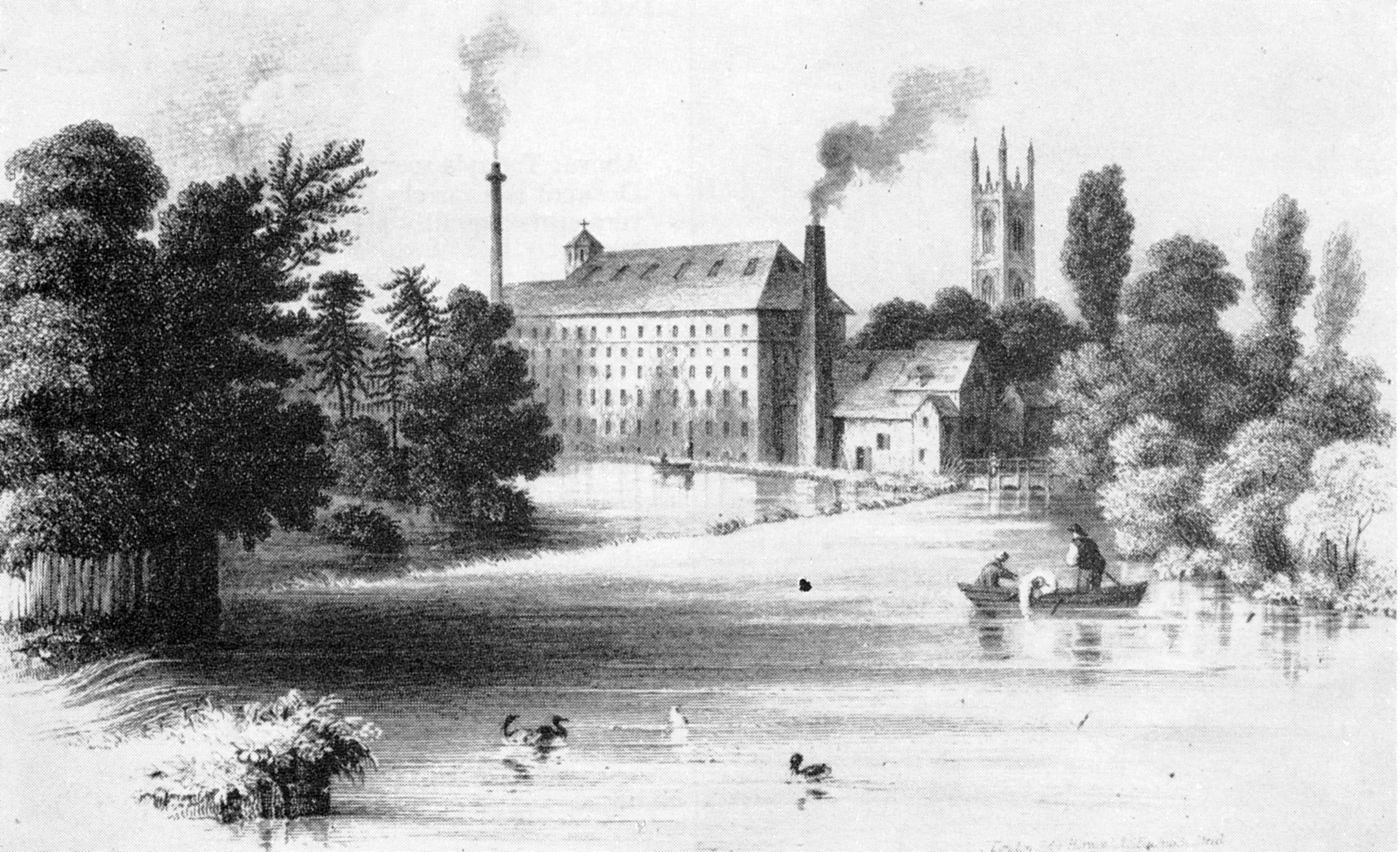
Then we built more mills through the Industrial Revolution: this was the very first silk mill built on the River Derwent, into which salmon are only just now returning, centuries later. But could they ascend the Derbyshire Wye? No.

We also create barriers by abstracting water. There are far more of those nowadays.

We create barriers with aquaculture, creating estuaries which are hostile zones full of sea-lice and toxins.

We create temperature barriers too, by dredging and widening rivers, by removing or limiting riparian vegetation and by increasing the residence time of water with mills and weirs and through abstraction.

There will be other impacts at sea and in the close coastal zone: overfishing and the northwards migration of important prey species will be having an impact. No doubt salmon are also caught as a by-catch of pelagic trawling. The bounce-back we saw during Covid lockdowns has to make one wonder if the by-catch is not actually quite significant.

Then there is the business of how we manage our rivers and streams, the salmon’s vital natal and nursery habitat, which obviously creates or eases localised impacts. This is where we can make a difference.

I find it weirdly ironic that some of the biggest self-serving finger waggers on the chalk streams run their fisheries like manicured zoos, blitzing the rough wildness with lawn-mowers and filling the rivers with robo-fish.

Certainly we could do a lot more to create rivers which salmon can thrive in: because what is obvious when you think about the scale of the impacts listed above, is that some of the biggest issues facing salmon are not going away any time soon: in the light of that knowledge the very best thing we can do is send as many fat salmon smolts to sea from the nursery streams of the British Isles as is technically possible. 

I say “fat” because the survival rate of fat, strong juvenile smolts is way, way higher and far more come back as salmon. What makes salmon smolts fatter? Habitat quality. Look at the sizes of Pacific salmon smolts after the Stage-0 floodplain re-sets they have been practicing in Oregon: it’s unbeleivable how much better these young fish do in a naturally functioning and dynamic flood-plain than in canalised streams.

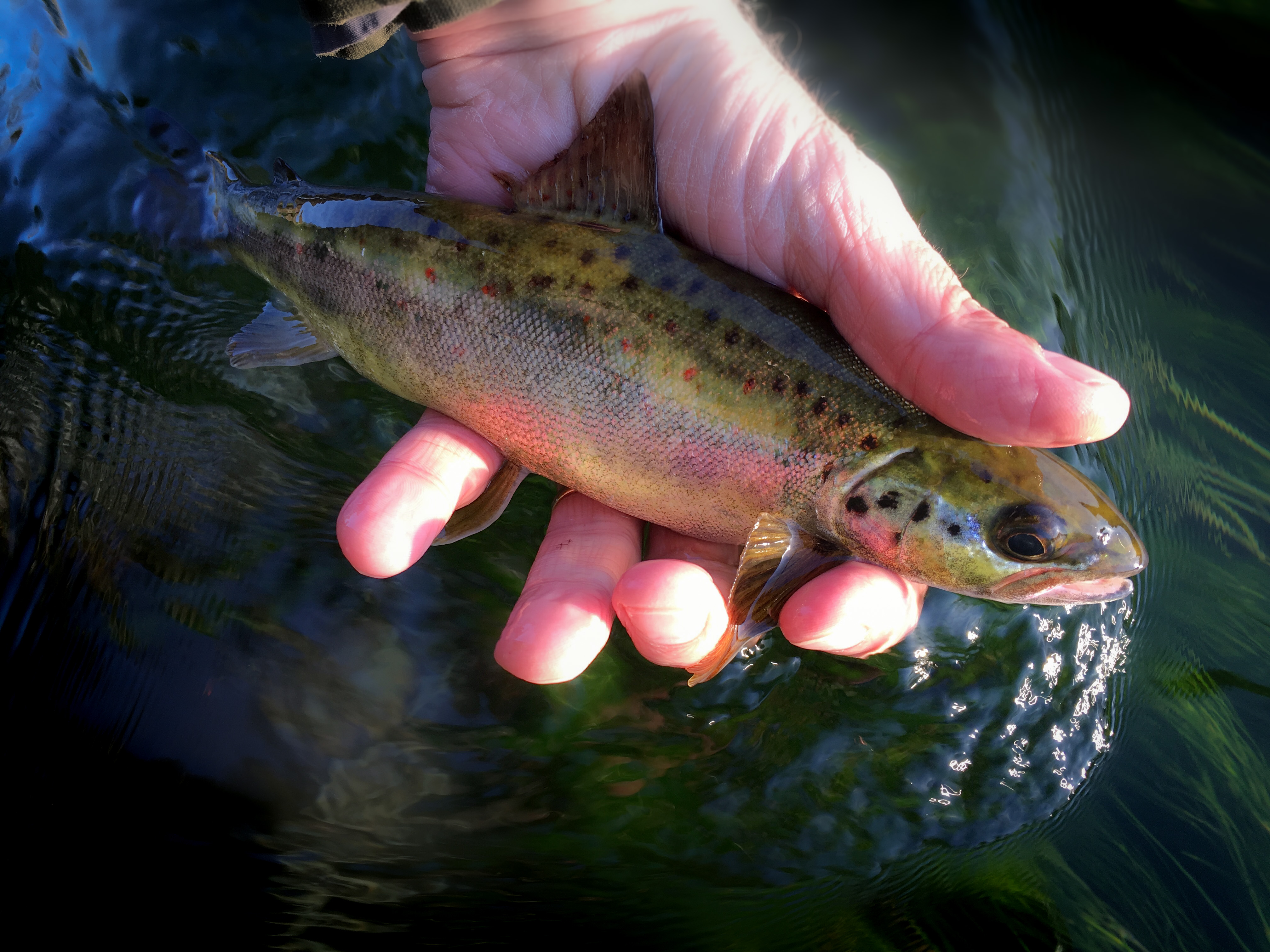
This fat fish is a salmon parr from Dorset’s River Stour: once renowned for its enormous salmon: the best way we can help to protect Wessex salmon like this one is to undo the damage done to these rivers by post-war dredging.

The newly endangered status of salmon is being used as a way to berate the government, the water industry and farming. By all means exhort all three to do a better job, but after a while endless blame becomes a form of avoiding responsibility: it’s like pointing at the litter instread of picking it up. It feels like you’re part of the solution, when actually you’re part of the problem.

Light a candle! Don’t curse the darkness.

So, looking to what we can do if we “act now” … we can restore our rivers and the landscapes which support them through all the measures advocated – for example – in the chalk stream strategy: by restoring the wild, wet, dynamic roughness of healthy habitat. Restoring meanders, floodplain connectivity, wet woodland, gradient. As well as – of course – lessening abstraction and pollution.

This is the sort of chalk stream habitat young salmon could thrive in, if only the adult fish could reach it. Five years ago, it looked like the stark riverscape pictured top left.

The unique chalk stream salmon, perhaps our most ancient (as in how long it has been here) native animal is right in the crosshairs of all those adverse impacts of climate change and mills and overfishing. The species deserves actual action on our part, as opposed to self-serving nowt-but-protest ersatz action. 

Re-meandering the River Stiffkey in North Norfolk: this project and others like it create freshwater habitat fit for salmon: if they can reach it. The river here had been locked inside a ditch for hundreds of years: which was definitely not the fault of the current government.

We shouldn’t just hold the line in habitat restoration either, focussing on the streams where salmon still exist: we should be restoring salmon to the chalk streams from which we barred them over 1000 years ago. En masse all these spring-fed streams could – if properly restored and managed – become a vital arc for the endangered English salmon.